


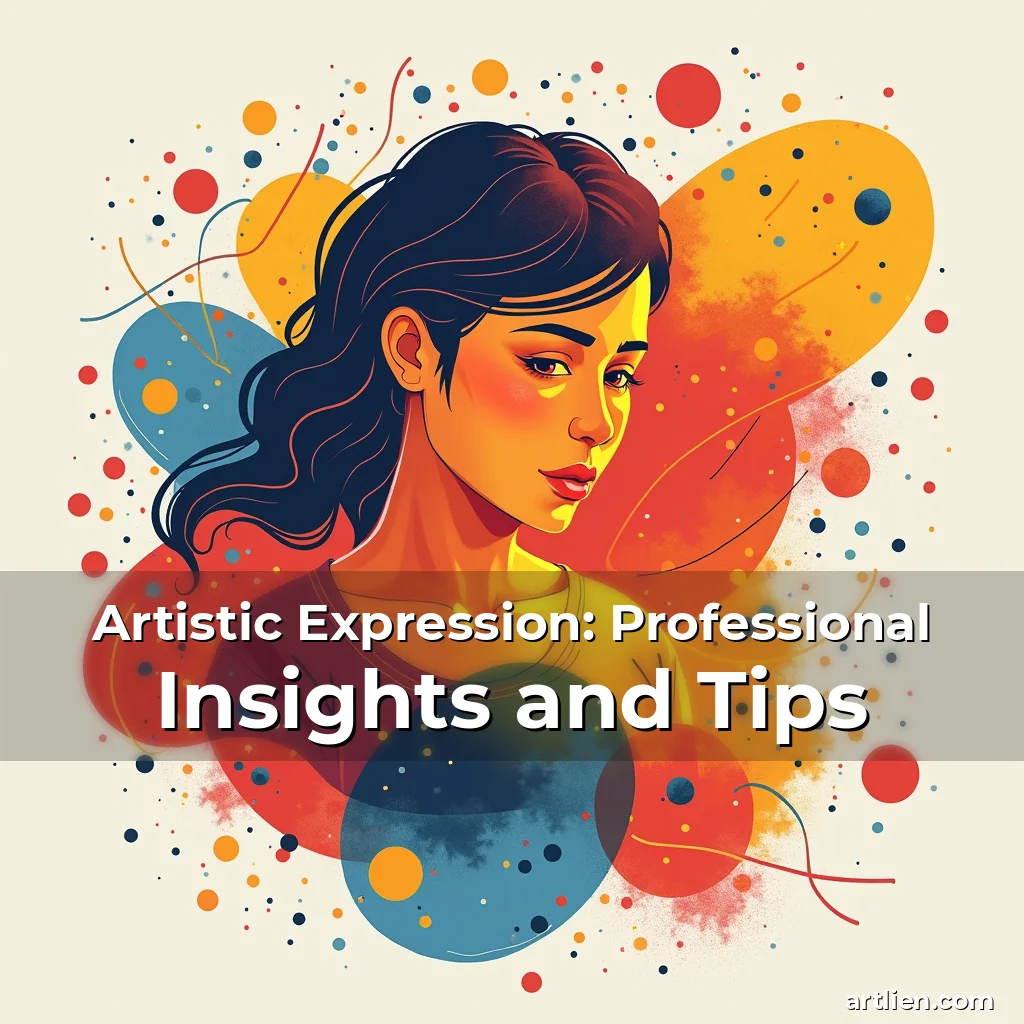
The Alchemy of Creation: Unveiling the Depths of Artistic Expression Through Mediums, Identity, and Innovation
In an era where creativity is both celebrated and commodified, artistic expression stands as a profound testament to human ingenuity and emotion. From the first cave paintings etched by ancient hands to the digital masterpieces crafted in virtual realms today, art has remained a universal language that transcends borders, cultures, and time.
This exploration delves into the multifaceted world of artistic expression, examining how mediums evolve, identities shape perspectives, and innovation fuels new forms of storytelling through visual, auditory, and performative arts. It invites creators—painters, sculptors, musicians, writers, dancers, filmmakers—to reflect on their own journeys while discovering fresh pathways for self-discovery and connection.
The Evolutionary Tapestry of Artistic Mediums
Artistic mediums have undergone a remarkable transformation over millennia, reflecting not only technological advancements but also shifting cultural paradigms. What began with natural pigments extracted from minerals and plants evolved into oil paints, watercolors, acrylics, and This evolution mirrors humanity’s quest for precision, accessibility, and emotional resonance across generations.
The transition from hand-painted frescoes in Roman villas to modern-day VR installations showcases how each medium carries its own historical weight and aesthetic philosophy. While traditional techniques often emphasize tactile engagement and imperfection, contemporary approaches leverage technology to create immersive experiences that challenge conventional notions of space and perception.
Consider these pivotal shifts:
- Paper and Printmaking: Originating in China during the Han Dynasty, paper revolutionized communication and artistic dissemination. Woodblock printing enabled mass production of religious texts and illustrations, laying groundwork for later innovations like lithography and screen printing which democratized access to visual culture.
- Digital Media: Emerging in the late 20th century alongside personal computing, digital media introduced unprecedented possibilities—from pixel-based animations to AI-generated compositions. Platforms such as Instagram and TikTok have transformed mobile devices into portable studios where anyone can experiment with color theory, composition, and narrative structure instantly.
Despite these changes, core principles remain constant: the desire to capture fleeting moments, convey complex emotions, and provoke thought remains at heart of every artistic endeavor regardless of chosen medium.
Moreover, hybrid forms are gaining traction as artists blend analog processes with digital enhancements. For instance, some painters use augmented reality apps to overlay interactive elements onto physical canvases, creating multi-layered works that respond dynamically to viewer movement or environmental conditions.
This fusion exemplifies how artistic mediums continue evolving without discarding past traditions; rather they build upon them through experimentation and cross-disciplinary collaboration.
As we move forward, understanding these historical trajectories provides invaluable context when choosing materials or exploring emerging technologies within one’s practice.
Crafting Identity Through Creative Output
Artistic expression serves as a mirror reflecting individual identity shaped by lived experiences, cultural heritage, and personal philosophies. Every brushstroke made by an artist conveys subconscious narratives rooted deep within psyche—an intricate dance between conscious intent and unconscious symbolism.
Musicians composing melodies might draw inspiration from familial lullabies passed down through generations, while photographers capturing urban landscapes may do so out of longing for home despite living abroad. These choices reveal layers of meaning embedded in final output far beyond technical execution alone.
Exploring this further:
Identity formation through art isn’t solely about external representation—it extends inward too. When faced with existential questions regarding purpose or belonging, many turn toward creative outlets seeking clarity amidst uncertainty. Writing poetry becomes cathartic release after loss; painting abstract shapes helps process grief following trauma.
Additionally, marginalized communities frequently employ art as resistance against systemic oppression. Graffiti murals reclaim public spaces once deemed hostile towards their existence; spoken word performances amplify voices silenced due to discrimination based on race, gender, sexuality, etcetera.
It’s crucial however to recognize that identity doesn’t exist in isolation—it intersects continuously with other aspects including socioeconomic status, geographic location, education level, among others. Thus, artists must navigate complexities arising from overlapping identities when deciding what themes warrant exploration within their work.
By embracing vulnerability and authenticity in creations, artists forge deeper connections with audiences who see reflections of themselves mirrored back through those expressions—be it through shared struggles, triumphs, aspirations, fears.
Bridging Cultures Through Universal Language of Art
Art possesses unparalleled power to bridge divides created by linguistic differences, political ideologies, or geographical boundaries. A single mural painted across city walls can communicate messages understood globally even without words involved—love, peace, hope, anger—all conveyed visually through bold colors and symbolic imagery.
Music offers another compelling example wherein rhythms originating from African tribal drums find echoes in Latin American salsa beats or European classical symphonies alike. Such cross-cultural fertilization enriches global musical landscape making it evermore dynamic and diverse.
Similarly, literature translated into multiple languages allows stories written centuries ago still resonate strongly today because fundamental truths about human condition transcend temporal limitations imposed by language barriers.
However, cultural appropriation versus appreciation remains contentious issue worth addressing carefully. When borrowing motifs from non-Western traditions—such as Native American patterns used widely in fashion industry without acknowledgment—it risks erasing original contexts behind symbols while profiting commercially off them instead.
To avoid misrepresentation, respectful dialogue between cultures becomes essential before incorporating foreign aesthetics into one’s artwork. Engaging directly with source communities ensures accurate portrayal devoid of stereotypes perpetuated historically through colonial lens.
Furthermore, international collaborations foster mutual understanding by allowing artists from different backgrounds co-create projects blending distinct styles yet achieving cohesive whole greater than sum parts. Exhibitions held simultaneously worldwide enable simultaneous exposure increasing visibility amongst broader audiences unfamiliar previously with participating artists’ works.
Ultimately, while celebrating diversity inherent within artistic expressions, maintaining ethical considerations surrounding cultural exchange proves vital for sustaining meaningful intercultural dialogues that honor origins rather than exploit them superficially.
Harnessing Technology As Extension Of Creativity
Technological advancement continually reshapes terrain available for artistic exploration offering novel ways individuals engage creatively whether through digital illustration software enabling photo-realistic renderings achievable via stylus pen strokes alone or motion tracking systems facilitating choreographed dance sequences synchronized precisely with music tempo.
Virtual Reality (VR) immersions provide groundbreaking opportunities allowing users donning headsets step inside three-dimensional environments designed entirely digitally opening doors previously unimaginable even decades prior. Artists now craft entire worlds where viewers physically interact objects changing scenery based on movements detected accurately thanks to sophisticated sensors integrated seamlessly into gear worn comfortably during extended sessions.
Augmented Reality (AR) applications similarly transform ordinary surroundings into playgrounds rich with layered realities superimposed atop real-world settings using smartphones or specialized goggles equipped cameras capable recognizing spatial relationships automatically adjusting overlays accordingly ensuring alignment consistent across platforms irrespective device orientation.
AI-assisted creation introduces fascinating dimensions where algorithms analyze vast datasets generating suggestions helping refine ideas rapidly accelerating development cycles significantly reducing trial-and-error phases typically associated longer gestation periods required traditionally completing full-scale productions manually.
Nevertheless, reliance upon automation raises philosophical questions concerning authorship attribution—who owns intellectual property rights when machine learning models trained extensively contribute substantially final outcome? Should credit go primarily toward programmer developing algorithm rather than end-user utilizing tool merely executing commands issued?
These debates underscore importance striking balance between leveraging technological capabilities enhance productivity without diminishing intrinsic value placed upon human agency central to authentic creative acts defining true mastery within field.
For those hesitant adopting newer methodologies fear losing touch foundational skills honed painstakingly years—this concern valid though mitigated strategically integrating tech-enhanced practices alongside traditional methods preserving depth gained through disciplined training cultivating versatile skillset adaptable future needs.
Navigating Challenges In Contemporary Art Landscape
Contemporary artists face myriad challenges ranging from economic instability affecting funding availability impacting ability sustain careers long-term especially independent practitioners lacking institutional backing compared established names benefiting museum exhibitions gallery showings etcetera.
Market saturation presents additional hurdle where sheer volume produced daily online overwhelming consumers struggling discern quality amid noise generated ceaselessly social media feeds filled endless scrolling content requiring constant attention spans increasingly fragmented nowadays.
Addressing these issues effectively requires strategic planning:
- Economic Sustainability: Diversifying income streams beyond selling artworks includes teaching workshops, offering commissions tailored client preferences, licensing designs for commercial products thereby broadening revenue sources minimizing dependence sole sales channel potentially volatile depending market trends fluctuating unpredictably.
- Standing Out Amidst Competition: Developing unique signature style distinguishable clearly from others enables quicker recognition enhancing chances getting noticed easily particularly beneficial platform algorithms prioritize content aligning user interests improving discoverability organically without heavy advertising expenditures.
Moreover, building strong professional network supports greatly aiding navigation industry successfully. Attending events connecting fellow creatives sharing resources exchanging feedback fostering supportive ecosystem conducive growth thriving community environment essential success any profession including fine arts.
Lastly, staying informed latest developments relevant field facilitates timely adaptation emerging trends adapting strategies accordingly remaining competitive advantageous position always ahead curve rather reacting passively circumstances presented unexpectedly.
The Healing Power Of Artistic Expression
Artistic endeavors offer powerful therapeutic benefits contributing positively mental health wellbeing individuals undergoing stress recovery processes healing emotionally traumatic experiences finding solace refuge expressed creatively rather repressed internally leading potential psychological distress worsening conditions over time.
Studies indicate participation activities involving drawing, painting, sculpture-making reduces anxiety levels lowers cortisol concentrations measurable scientifically demonstrating physiological effects resulting engagement creative tasks providing outlet redirect energy constructively transforming negative emotions positive outcomes.
Therapists often incorporate art therapy sessions clients unable articulate feelings verbally benefiting immensely benefitting deeply from nonverbal communication modalities allowing safe space explore innermost thoughts feelings without judgment pressure accompanying verbal articulation sometimes difficult achieve initially.
Furthermore, group art programs facilitate communal bonding strengthening interpersonal relationships reinforcing sense belonging solidarity among participants experiencing similar struggles thus amplifying collective strength surpassing isolated efforts singular person attempting cope alone burden heavier than necessary bear unaided.
Whether seeking relief post-trauma, managing chronic illness symptoms, dealing depression anxiety disorders—art provides accessible affordable means intervention supporting holistic approach healthcare emphasizing prevention maintenance wellness rather reactive measures taken crisis points already reached critical stages requiring urgent assistance.
Communities around globe increasingly acknowledge significance implementing initiatives promoting integration creative therapies mainstream medical care recognizing synergy existing disciplines working together optimally maximize effectiveness treatments delivered efficiently compassionately respecting dignity autonomy patients receiving services consistently.
Fostering Future Generations Through Mentorship And Education
Cultivating next wave innovators demands intentional investment mentorship programs educational frameworks equipping students necessary knowledge skills navigating complex artistic landscapes confronting rapidly changing technological landscapes demanding adaptability resilience flexibility traits crucial surviving thriving within sector.
School curricula must evolve incorporating interdisciplinary approaches merging STEM subjects (science, technology, engineering mathematics) with humanities encouraging synthesis ideas generating novel solutions problems facing society currently unresolved pressing concerns climate change inequality digital privacy ethics artificial intelligence regulation etcetera.
Hands-on experiential learning prioritized over rote memorization fosters curiosity inquiry propelling students pursue passions actively rather passive recipients information transmitted didactically without room question challenge assumptions underlying structures governing current systems prevailing norms accepted unquestioningly.
Establishing robust support networks linking aspiring artists seasoned professionals creates conduits transferring wisdom accrued through years experience guiding novices avoiding pitfalls common beginners unfamiliar intricacies business side creative industries requiring savvy acumen financial literacy marketing prowess equally vital successful career trajectory.
Online platforms serve valuable resource expanding reach beyond local confines connecting learners mentors geographically dispersed locations eliminating constraints imposed physical proximity limiting access otherwise restricted exclusive circles privilege.
Such inclusive ecosystems ensure equitable distribution opportunities nurturing talent wherever located preventing marginalization stemming socioeconomic disparities hindering realization full potential constrained prematurely due lack guidance resources available locally insufficient to meet ambitions harbored young minds eager grow flourish professionally personally.
Conclusion
Artistic expression is more than mere decoration or entertainment—it is a vital force shaping societies, challenging norms, and expressing the deepest facets of human existence. Whether through paint, sound, performance, or digital creation, artists hold the power to influence perceptions, spark revolutions, and heal wounds both seen and unseen.
As you embark on your journey as a creator, remember that your voice matters. Embrace the uniqueness of your perspective, seek out new influences, and never shy away from experimenting with form and technique. By doing so, you not only enrich your own path but also contribute to the ongoing legacy of artistic excellence that connects us all across time and space.


news is a contributor at ArtLien. We are committed to providing well-researched, accurate, and valuable content to our readers.
You May Also Like

Huashan 1914 Creative Park : Taipei Artistic Hub for Innovation
The park is situated in the heart of Huashan, a mountainous region in China's Shaanxi province.History and TransformationHuashan 1914 Creative...
India-south korea art exchange kicks off at mala academy!
The 2024 Global Food FestivalThe 2024 Global Food Festival is a highly anticipated event that brings together food enthusiasts, chefs,...
Exciting saturday event: bsoa hub gathering awaits!
The Create Hub will be a 3,000 square foot, state-of-the-art facility that will serve as a hub for creatives to...
Youth film premiere coming to Sid Williams Theatre
The Art Gallery's Commitment to Youth CreativityThe Comox Valley Art Gallery is dedicated to showcasing the artistic talents of local...