


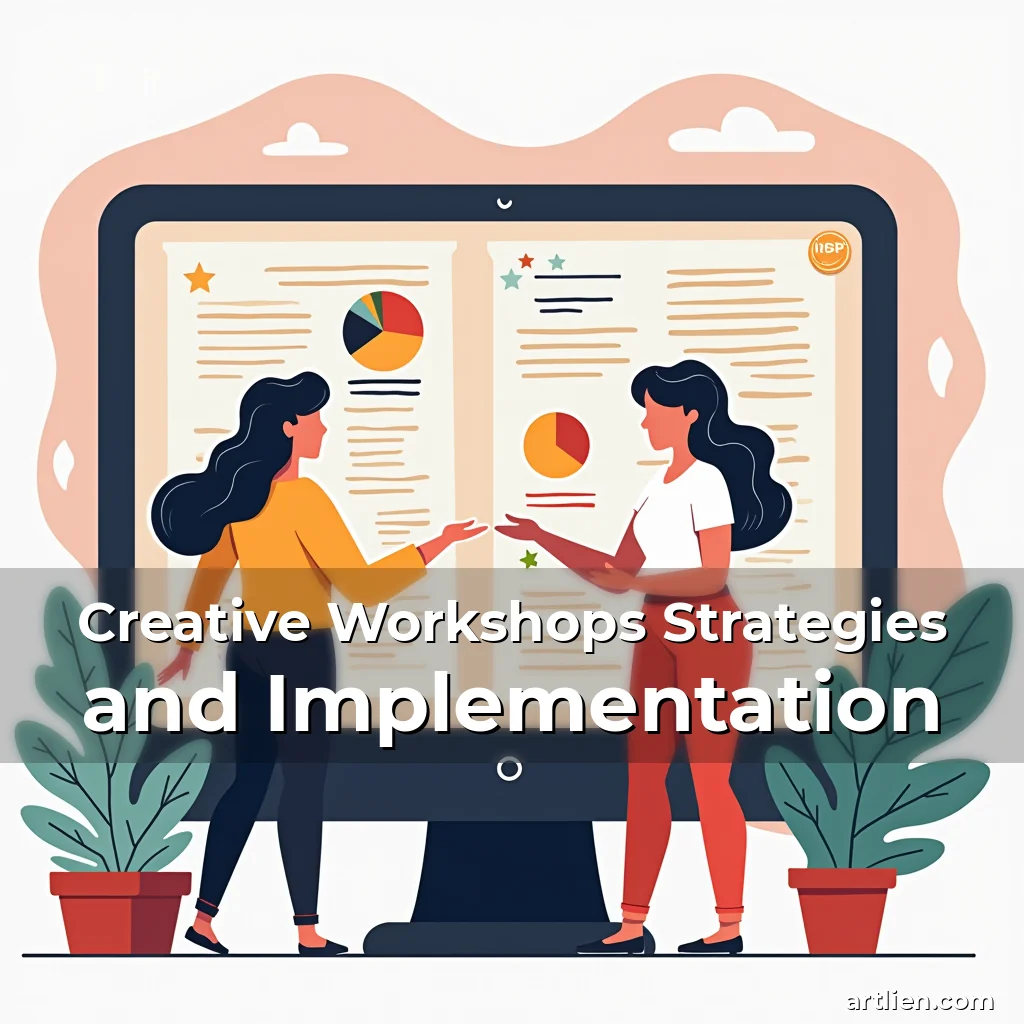
The Alchemy of Imagination: Unlocking Creativity Through Immersive Workshops
In an era where creativity is both a commodity and a competitive edge, immersive workshops have emerged as powerful catalysts for artistic evolution. These dynamic environments offer more than just instruction—they provide transformative experiences that challenge conventional approaches and ignite new ways of seeing.
For visual artists, writers, designers, and performers alike, these workshops serve as incubators of innovation. They create spaces where experimentation is encouraged, boundaries are pushed, and the unexpected becomes the norm rather than the exception.
Forging New Paths in Artistic Expression
Creative workshops function as experimental laboratories where traditional techniques meet cutting-edge methodologies. Artists often find themselves working with unfamiliar mediums, digital tools, or unconventional materials under expert guidance.
This deliberate exposure to novelty forces participants out of their comfort zones and into realms of unexplored potential. The structured yet flexible environment encourages risk-taking without fear of failure.
- Mindset Shift: Participants learn to view mistakes as essential components of the creative process rather than setbacks
- Skill Diversification: Exposure to various disciplines fosters interdisciplinary thinking and versatile skill sets
The Architecture of Effective Workshop Design
A well-crafted workshop balances structure with spontaneity, creating an optimal space for inspiration to flourish. Experienced facilitators understand the delicate interplay between guided exercises and open-ended exploration.
Successful programs typically incorporate three-phase frameworks: initial skill-building segments, mid-session collaborative projects, and final presentations that celebrate individual growth while highlighting collective achievements.
Bridging Theory and Practice
Educational research indicates that hands-on learning increases retention by up to 90% compared to passive observation alone. This statistic underscores why workshops remain invaluable in modern creative education.
When theory meets practice through tactile engagement, abstract concepts become concrete realities. For instance, studying color theory gains meaning when applied to actual painting sessions using professional-grade materials.
Navigating the Creative Landscape: A Workshop Participant’s Journey
Newcomers often experience a paradigm shift during their first workshop. The transition from solitary creation to communal collaboration can be both exhilarating and intimidating at first.
Through shared vulnerabilities and mutual support, participants gradually build confidence in their abilities. This communal aspect transforms personal struggles into collective triumphs.
- Community Building: Regular attendance at workshops fosters lasting networks among creatives with similar interests
- Mentorship Opportunities: Established artists frequently mentor emerging talent within workshop settings
Mastering the Mechanics of Group Dynamics
Effective group dynamics are crucial for maximizing the benefits of any workshop. Facilitators must cultivate inclusive atmospheres where every voice feels valued regardless of experience level.
Diverse participant backgrounds enrich the creative process. When individuals with varying perspectives collaborate, they generate ideas that would never emerge in isolation.
- Idea Cross-Pollination: Mixing disciplines leads to innovative solutions and hybrid art forms
- Cultural Exchange: International workshops promote global understanding through shared artistic expression
Technology Integration: Blending Tradition with Innovation
The digital age has transformed how creative workshops operate. Virtual reality, AI-assisted design, and augmented reality now complement traditional methods rather than replacing them.
Participants gain proficiency in digital storytelling, motion graphics, and interactive media—all skills increasingly vital in today’s multimedia landscape. This technological integration ensures workshops remain relevant in evolving markets.
The Future of Hybrid Learning Models
Preliminary data suggests blended formats—combining physical presence with virtual participation—are becoming standard practice. Online platforms enable real-time collaboration across geographical barriers.
These models allow for asynchronous work, giving participants flexibility without sacrificing the immediacy of live interactions. Some institutions report increased engagement through gamified online modules integrated with in-person sessions.
Cultivating Sustainable Creative Practices
Sustainable practices extend beyond environmental considerations; they also encompass long-term personal development strategies. Workshops teach time management, goal setting, and self-care routines critical for maintaining creative momentum.
Artists learn to balance productivity with preservation, recognizing that burnout prevention is integral to sustained output. Mindfulness exercises incorporated into many curricula help maintain mental clarity amid creative demands.
- Work-Life Balance: Structured schedules prevent overexertion while ensuring consistent progress
- Resource Management: Budgeting for supplies and equipment becomes part of the educational framework
Measuring Impact: Beyond the Final Product
Evaluating the effectiveness of a creative workshop requires looking beyond finished works. Metrics such as participant satisfaction surveys, pre/post-skills assessments, and follow-up interviews reveal deeper transformations.
Longitudinal studies show that regular workshop attendees demonstrate higher levels of innovation in their professional careers compared to non-participants. This correlation highlights the enduring value of continuous learning.
Conclusion
Creative workshops represent more than temporary escapes from routine—they are foundational elements in the ongoing journey of artistic mastery.
By embracing these immersive experiences, creators unlock untapped potential, forge meaningful connections, and stay ahead in ever-evolving creative industries. The true alchemy lies not only in what is created but in how participants transform along the way.
“`
The Alchemy of Imagination: Unlocking Creativity Through Immersive Workshops
In an era where creativity is both a commodity and a competitive edge, immersive workshops have emerged as powerful catalysts for artistic evolution. These dynamic environments offer more than just instruction—they provide transformative experiences that challenge conventional approaches and ignite new ways of seeing.
For visual artists, writers, designers, and performers alike, these workshops serve as incubators of innovation. They create spaces where experimentation is encouraged, boundaries are pushed, and the unexpected becomes the norm rather than the exception.
Forging New Paths in Artistic Expression
Creative workshops function as experimental laboratories where traditional techniques meet cutting-edge methodologies. Artists often find themselves working with unfamiliar mediums, digital tools, or unconventional materials under expert guidance.
This deliberate exposure to novelty forces participants out of their comfort zones and into realms of unexplored potential. The structured yet flexible environment encourages risk-taking without fear of failure.
- Mindset Shift: Participants learn to view mistakes as essential components of the creative process rather than setbacks
- Skill Diversification: Exposure to various disciplines fosters interdisciplinary thinking and versatile skill sets
The Architecture of Effective Workshop Design
A well-crafted workshop balances structure with spontaneity, creating an optimal space for inspiration to flourish. Experienced facilitators understand the delicate interplay between guided exercises and open-ended exploration.
Successful programs typically incorporate three-phase frameworks: initial skill-building segments, mid-session collaborative projects, and final presentations that celebrate individual growth while highlighting collective achievements.
Bridging Theory and Practice
Educational research indicates that hands-on learning increases retention by up to 90% compared to passive observation alone. This statistic underscores why workshops remain invaluable in modern creative education.
When theory meets practice through tactile engagement, abstract concepts become concrete realities. For instance, studying color theory gains meaning when applied to actual painting sessions using professional-grade materials.
Navigating the Creative Landscape: A Workshop Participant’s Journey
Newcomers often experience a paradigm shift during their first workshop. The transition from solitary creation to communal collaboration can be both exhilarating and intimidating at first.
Through shared vulnerabilities and mutual support, participants gradually build confidence in their abilities. This communal aspect transforms personal struggles into collective triumphs.
- Community Building: Regular attendance at workshops fosters lasting networks among creatives with similar interests
- Mentorship Opportunities: Established artists frequently mentor emerging talent within workshop settings
Mastering the Mechanics of Group Dynamics
Effective group dynamics are crucial for maximizing the benefits of any workshop. Facilitators must cultivate inclusive atmospheres where every voice feels valued regardless of experience level.
Diverse participant backgrounds enrich the creative process. When individuals with varying perspectives collaborate, they generate ideas that would never emerge in isolation.
- Idea Cross-Pollination: Mixing disciplines leads to innovative solutions and hybrid art forms
- Cultural Exchange: International workshops promote global understanding through shared artistic expression
Technology Integration: Blending Tradition with Innovation
The digital age has transformed how creative workshops operate. Virtual reality, AI-assisted design, and augmented reality now complement traditional methods rather than replacing them.
Participants gain proficiency in digital storytelling, motion graphics, and interactive media—all skills increasingly vital in today’s multimedia landscape. This technological integration ensures workshops remain relevant in evolving markets.
The Future of Hybrid Learning Models
Preliminary data suggests blended formats—combining physical presence with virtual participation—are becoming standard practice. Online platforms enable real-time collaboration across geographical barriers.
These models allow for asynchronous work, giving participants flexibility without sacrificing the immediacy of live interactions. Some institutions report increased engagement through gamified online modules integrated with in-person sessions.
Cultivating Sustainable Creative Practices
Sustainable practices extend beyond environmental considerations; they also encompass long-term personal development strategies. Workshops teach time management, goal setting, and self-care routines critical for maintaining creative momentum.
Artists learn to balance productivity with preservation, recognizing that burnout prevention is integral to sustained output. Mindfulness exercises incorporated into many curricula help maintain mental clarity amid creative demands.
- Work-Life Balance: Structured schedules prevent overexertion while ensuring consistent progress
- Resource Management: Budgeting for supplies and equipment becomes part of the educational framework
Measuring Impact: Beyond the Final Product
Evaluating the effectiveness of a creative workshop requires looking beyond finished works. Metrics such as participant satisfaction surveys, pre/post-skills assessments, and follow-up interviews reveal deeper transformations.
Longitudinal studies show that regular workshop attendees demonstrate higher levels of innovation in their professional careers compared to non-participants. This correlation highlights the enduring value of continuous learning.
Conclusion
Creative workshops represent more than temporary escapes from routine—they are foundational elements in the ongoing journey of artistic mastery.
By embracing these immersive experiences, creators unlock untapped potential, forge meaningful connections, and stay ahead in ever-evolving creative industries. The true alchemy lies not only in what is created but in how participants transform along the way.
“`


news is a contributor at ArtLien. We are committed to providing well-researched, accurate, and valuable content to our readers.
You May Also Like

The 25th Annual Horry-Georgetown Counties High School Juried Art Exhibition
The art exhibition is a testament to the creativity and skill of high school students in the Horry-George Counties area....
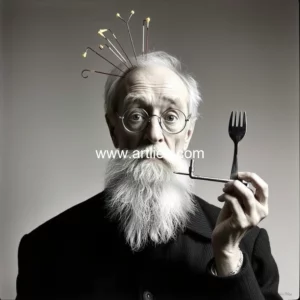
Eat art swiss artist daniel spoerri has died at age 92, leaving behind a legacy of innovative art forms and techniques. spoerri, a swiss painter and sculptor, was known for his unique approach to art, which often involved the use of everyday objects and materials.
This movement was a reaction against the traditional fine dining etiquette of the time. Spoerri's idea was to blur the...

Eight affordable ways to start your art collection
The Art of Miniature PaintingMiniature paintings are a unique and captivating form of art that has been around for centuries....
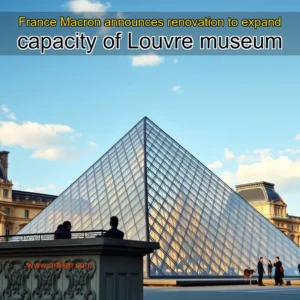
France Macron announces renovation to expand capacity of Louvre museum
The Louvre's Renovation: A New Era for the World's Most Famous MuseumThe Louvre, one of the world's most iconic museums,...