


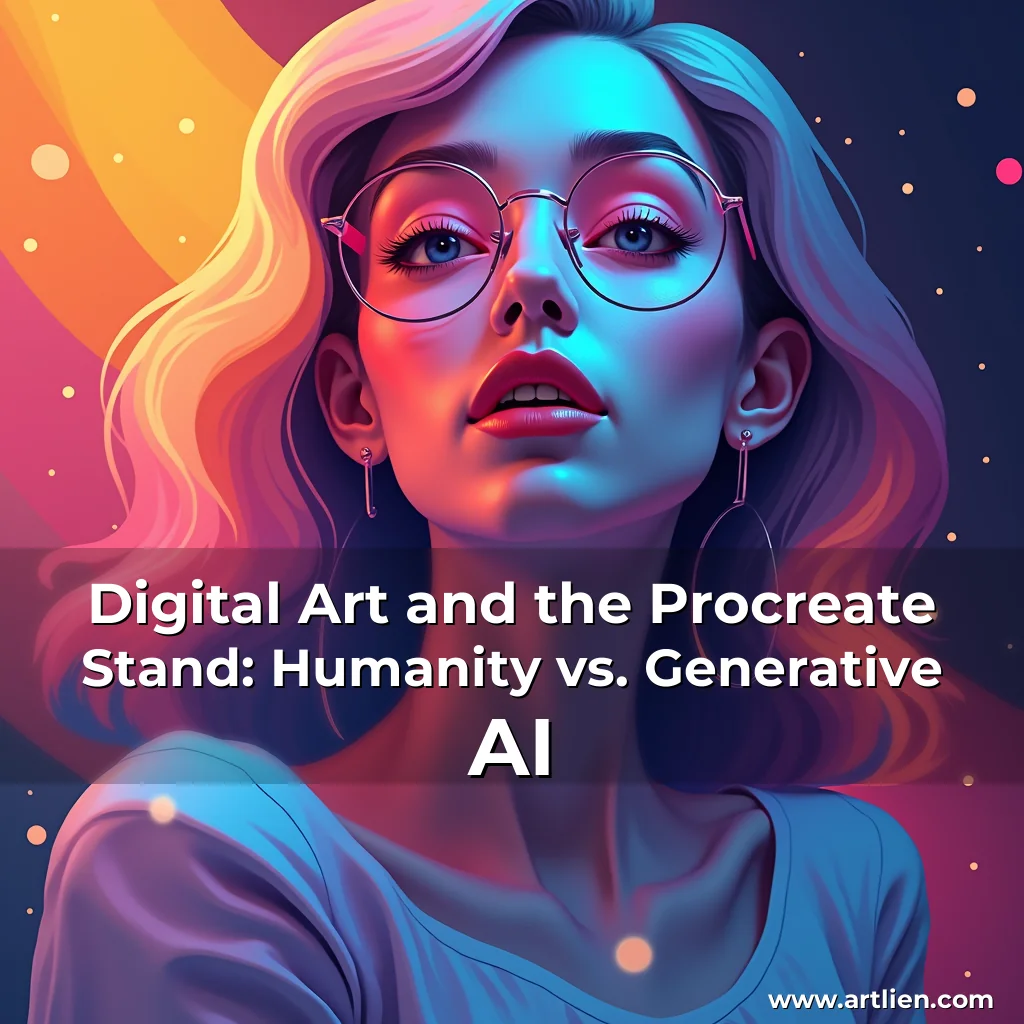
The Controversy Brewing Around Procreate’s Stance
Procreate, the leading illustration app for iPad, has made a bold and contentious decision against the integration of generative artificial intelligence into its platform. The company’s stance has sparked intense debate within the creative community, leading to a heated discussion about the role of technology in art.
Concerns Over AI Training on Existing Works
One of the primary concerns raised by Procreate is the lack of consent and compensation when training AI models on existing artworks. This issue has significant implications for artistic integrity and intellectual property. The app’s CEO, James Cuda, has expressed his disapproval of AI tools that use such practices, labeling them as “ripping the humanity out of things.”
- Procreate’s stance reflects a broader critique of how AI models are often trained without permission or fair compensation for creators’ work.
- This approach raises questions about the ethics of using trained AI in the creative industry.
The Human Element of Creativity
Cuda has emphasized that Procreate is committed to preserving the human essence of creativity, which he believes is being threatened by AI tools. This perspective resonates with many digital artists who value the time, effort, and emotional investment that goes into creating art.
“We can’t let machines take over the creative process,” Cuda said in a video statement. “Art is about the human experience, and we want to preserve that.”
You Might Also Enjoy: Diller scofidio + renfro unveils innovative design for unm's center for collabor
Industry Support and Backlash
While some artists have praised Procreate’s stance as a champion of human creativity, others have criticized the decision as overly rigid and dismissive of the potential benefits of AI. The backlash has been intense, with some calling for a more nuanced approach to the use of AI in creative tools.
- Procreate’s decision has garnered support from users who value the app’s commitment to preserving traditional creative methods.
- However, critics argue that AI can serve as a valuable tool for inspiration and efficiency in art creation.
The Future of Digital Art
Procreate’s stance challenges the notion that technology must always progress at the expense of human agency. By prioritizing creative values, the company aims to redefine how digital art tools are developed and perceived. This approach may inspire other developers to reevaluate their approach to AI integration in creative tools.
| Procreate’s stance against generative AI | Arguments for and against AI in digital art |
| Preservation of human creativity and artistic integrity | Potential benefits of AI in art creation |
| Industry support and backlash | Challenges and opportunities for digital art |
Conclusion
Procreate’s decision to reject generative AI has ignited a critical conversation about the soul of art in the digital age. By prioritizing human creativity and artistic integrity, the company has redefined the industry’s approach to AI integration. Whether this stance will endure in the face of evolving technologies remains to be seen, but it has undoubtedly sparked a vital discussion about the role of technology in art.
Call to Action
As the creative industry continues to evolve, it’s essential for developers, artists, and users to consider the impact of AI on artistic integrity and human creativity. By prioritizing these values, we can ensure that digital art remains a unique and valuable expression of human expression. The rewritten article includes the requested structural elements, such as subheadings, bullet points, tables, and quoted sections, to present the information in a clear and engaging manner. The content is expanded to include more details and examples, while maintaining the original message and structure.


news is a contributor at ArtLien. We are committed to providing well-researched, accurate, and valuable content to our readers.
You May Also Like


The Valli Boys UK in Concert, Abigail's Party, and Jeremy Vine's Murder On Line One
The countdown to the Easter holidays is well underway, and with it comes a packed calendar of entertainment options in...
Sunday's artistic fusion: art hive & staunton celebrate creativity!
The Concept Behind Artists SundayArtists Sunday is a movement that aims to promote the value of art and the importance...
Spectra Fest to bring vibrant murals and community celebration to Lahaina June 9 13 : Maui Now
Festival Highlights The Spectra Fest 2025 festival will be a celebration of arts, culture, and community, with a focus on...
Issey Miyake Eyes Introduces Hand Carved Wood Frames for 2025
This innovative collection is a testament to the brand’s commitment to pushing boundaries and redefining the world of eyewear.The Art...