


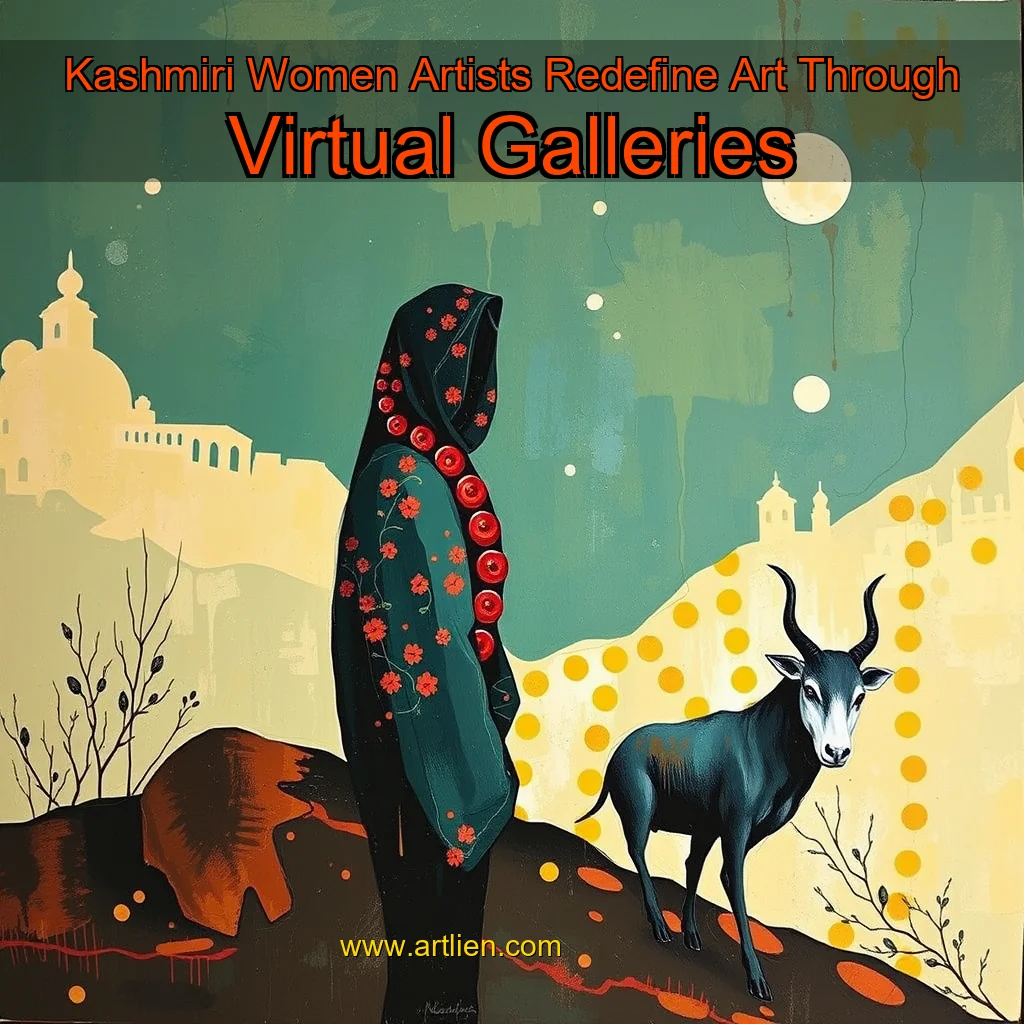
As a child, Shafiya was always fascinated by the world around her – the colors, textures, and patterns that danced before her eyes. She would spend hours observing the intricate details of nature, from the delicate petals of flowers to the majestic forms of trees.
The Power of Art
Art has long been a universal language, capable of transcending cultural, social, and linguistic barriers. It has the power to evoke emotions, spark imagination, and bring people together. For Shafiya, art was more than just a hobby – it was a means of self-expression and a way to communicate her inner world. Shafiya’s art is characterized by its vibrant colors, bold brushstrokes, and intricate details. Her paintings often feature fantastical creatures, mythical beings, and surreal landscapes. Through her art, Shafiya aims to tap into the collective unconscious, exploring the hidden corners of the human psyche.
The Journey of Self-Discovery
Shafiya’s journey as an artist was not without its challenges. She faced self-doubt, criticism, and uncertainty, but she persevered, driven by her passion for art and her desire to express herself authentically. As she explored the world of art, Shafiya discovered new techniques, styles, and mediums, which helped her to refine her craft and push the boundaries of her creativity.
The Early Years: Exploring Identity and Social Commentary
Shafiya’s early work was characterized by its boldness and unapologetic nature. Her first significant piece, “Congrats, it is a girl,” was a striking portrait of a girl with chains on her lips. This powerful statement on societal constraints marked the beginning of her journey as an artist with a purpose. The use of chains as a symbol of oppression resonated deeply with the viewer, highlighting the ways in which societal expectations can restrict individual freedom. The piece was part of a series of works that explored themes of identity, social commentary, and the human condition. Shafiya’s use of bold colors and striking imagery drew attention to the often-overlooked issues of oppression and marginalization. Her work was not only visually striking but also thought-provoking, encouraging viewers to reflect on their own experiences and perspectives.
The Evolution of Style: Experimentation and Innovation
As Shafiya continued to develop her artistic voice, she began to experiment with new techniques and mediums. Her work evolved from bold and graphic to more nuanced and expressive. She explored different styles, from abstract to figurative, and incorporated various materials and textures into her pieces. Shafiya’s experimentation with different mediums allowed her to push the boundaries of traditional art forms.
The Art of Upcycling
Upcycling is the process of transforming discarded materials into new, valuable, and often beautiful creations. It’s a creative way to breathe new life into waste, reducing the amount of trash that ends up in landfills and conserving natural resources. Dr. Tabish Aijaz Khan, a self-taught artist, has made a name for himself by turning trash into stunning artworks.
The Inspiration Behind His Art
Dr. Khan’s inspiration for upcycling comes from his childhood experiences. Growing up in a small town in India, he witnessed the devastating effects of pollution and waste management issues. This sparked his interest in finding innovative ways to reuse and recycle materials.
A Journey of Self-Discovery and Artistic Expression
Dr. Tabish’s artistic journey began as a means of self-discovery and healing. Growing up in a conservative society, she found solace in art as a way to express herself and break free from the constraints of her environment. Her early works were heavily influenced by the natural world, with a focus on the beauty and symbolism of the Chinar tree.
Exploring the Symbolism of Nature
The Chinar tree holds a special significance in Kashmiri culture, representing strength, resilience, and the connection to the divine. Dr. Tabish’s use of Chinar leaves, cups, and feathers in her art reflects this symbolism, weaving a narrative of hope and transformation. Her art is not just a representation of the natural world, but a reflection of the human experience. The intricate patterns and designs on the Chinar leaves are reminiscent of traditional Kashmiri crafts, such as embroidery and woodcarving. The use of feathers adds a sense of lightness and freedom to the art, symbolizing the human spirit’s ability to soar above adversity. The cups, often made from natural materials like wood or stone, represent the fragility and beauty of life.
Breaking Boundaries and Challenging Conventions
Dr. Tabish’s artistic journey has not been without its challenges. As a woman in a patriarchal society, she has faced numerous obstacles and biases. However, she has refused to be constrained by these limitations, instead using her art as a means of empowerment and self-expression.
The Significance of Art in Kashmiri Women’s Lives
Art has been a vital part of Kashmiri culture for centuries, with various forms of art, including music, dance, and visual arts, being an integral part of the region’s heritage. However, the role of women in art has been limited, with many women being discouraged from pursuing careers in the arts due to societal norms and expectations. Women’s participation in art has been restricted due to various factors, including:
- Limited access to education and training
- Social and cultural norms that discourage women from pursuing careers in the arts
- Lack of representation and opportunities in the art world
- Increased visibility: Social media platforms like Instagram, Facebook, and Twitter have made it easier for artists to showcase their work to a global audience. Direct sales: Social media has enabled artists to sell their pieces directly to collectors, bypassing traditional galleries and middlemen. Community building: Social media has allowed artists to connect with their audience, share their creative process, and build a community around their work. * Networking opportunities: Social media has provided artists with opportunities to connect with other artists, curators, and collectors, potentially leading to new collaborations and opportunities. ### The Role of Social Media in the Art Market**
- Increased visibility and reach
- Ability to showcase work in a more dynamic and engaging way
- Direct connection with potential buyers and collectors
- Opportunities for collaboration and networking
Breaking Down Barriers
Despite these challenges, many Kashmiri women have found ways to break down barriers and pursue careers in the arts.
The Art of Shafiya: Unveiling the Depths of Kashmiri Culture
Shafiya’s artistic journey began in the picturesque town of Srinagar, Kashmir. Her early exposure to the region’s rich cultural heritage and stunning natural beauty had a profound impact on her creative expression.
The Influence of Kashmiri Culture
Kashmiri culture is a unique blend of Islamic, Hindu, and Buddhist influences. This cultural melting pot has shaped Shafiya’s art, as she often incorporates elements of these traditions into her work. Resin Art: Shafiya’s resin art pieces often feature intricate patterns and designs inspired by traditional Kashmiri crafts. Calligraphy: Her calligraphy work is characterized by elegant, cursive scripts that reflect the region’s rich literary heritage. * Wall Paintings: Shafiya’s wall paintings often depict scenes from Kashmiri mythology and folklore, showcasing the region’s rich storytelling tradition.**
Exploring Larger Stories
Shafiya’s art is not just about creating visually stunning pieces; it’s also about exploring larger stories and themes. Her work often delves into the complexities of human experience, tackling issues such as love, loss, and social justice. Paper Mâché: Shafiya’s paper mâché creations often take the form of masks, which serve as a metaphor for the human condition.
Her art is a reflection of her cultural heritage and her personal experiences.
The Art of Saaifah Bhat: A Fusion of Islamic and Buddhist Traditions
A Reflection of Cultural Heritage
Saaifah Bhat’s art is a testament to the rich cultural heritage of Kashmir, a region known for its stunning natural beauty and diverse traditions. Her unique blend of Islamic and Buddhist influences is a reflection of the region’s complex history and the blending of different cultures. This fusion of traditions is evident in her use of intricate calligraphy, which combines the geometric patterns of Islamic art with the symbolic motifs of Buddhist art. The use of calligraphy in Saaifah’s art is a deliberate choice, reflecting her desire to connect with her cultural heritage and express her inner voice.
Her journey began in the Kashmir Valley, where she grew up surrounded by the majestic beauty of these trees. The Chinar tree, also known as the Silver Birch, is a symbol of Kashmir’s rich cultural heritage and a testament to the region’s resilience and strength.
The Artistic Journey of Tabish
Early Influences
Tabish’s artistic journey was heavily influenced by her surroundings. Growing up in the Kashmir Valley, she was constantly surrounded by the majestic beauty of the Chinar trees.
The Art of Tabish
Tabish is a master of transforming everyday objects into breathtaking works of art. His unique approach to art-making has garnered him a significant following, and his creations continue to inspire and awe those who witness them.
The Inspiration Behind Tabish’s Art
Tabish’s inspiration for his art comes from the natural world. He finds beauty in the intricate patterns and textures of leaves, feathers, and other organic materials. By incorporating these elements into his art, he creates pieces that are not only visually striking but also deeply connected to the natural world. Leaves, in particular, hold a special significance for Tabish. He loves the way the light filters through the veins of a leaf, casting intricate shadows and highlighting the delicate patterns that exist within. Feathers, too, are a favorite subject of Tabish’s. He is drawn to the way the soft, fluffy texture of feathers can be used to create delicate, lacy patterns in his art.
The Rise of Social Media in the Art World
The art world has undergone a significant transformation in recent years, with social media playing a pivotal role in its evolution. Gone are the days when art was confined to galleries and museums; today, artists can showcase their work to a global audience, connect with potential buyers, and even sell their pieces directly to collectors.
The Benefits of Social Media for Artists
Social media has opened up new avenues for artists to promote their work, engage with their audience, and build their brand. Here are some of the key benefits of social media for artists:
The Role of Social Media in the Art Market
Social media has also had a significant impact on the art market, changing the way art is bought, sold, and consumed.
The Rise of Social Media Influencers in the Art World
In recent years, social media has revolutionized the way artists showcase and sell their work. Platforms like Instagram, TikTok, and YouTube have given rise to a new breed of artists who have turned their passion into a profession. These social media influencers, often with thousands of followers, have become a significant force in the art world.
The Benefits of Social Media for Artists
Social media has democratized the art world, allowing artists to reach a global audience and connect with potential buyers and collectors directly.
She was simply passionate about creating art and expressing herself through her paintings.
The Art of Chinar Leaf Paintings
Chinar leaf paintings have a long history in Kashmir, dating back to the 19th century. The art form has been passed down through generations, with each artist adding their unique twist to the traditional techniques.
Origins and Evolution
The art of Chinar leaf paintings originated in the Kashmir Valley, where the Chinar tree is native. The leaves of the Chinar tree are used as a medium for painting, with the artist using a combination of natural pigments and the leaves themselves to create intricate designs. The leaves are typically harvested from the Chinar tree and then cleaned and prepared for use. The natural pigments used in the paintings are derived from plants and minerals found in the Kashmir region. The traditional techniques used in Chinar leaf paintings include layering, blending, and scraping.
Unique Characteristics
Chinar leaf paintings are known for their unique characteristics, which set them apart from other forms of art. The use of natural pigments and Chinar leaves gives the paintings a distinctive earthy tone and texture. The intricate designs and patterns created by the artist add to the paintings’ beauty and complexity. The fact that the paintings are created from natural materials makes them highly sustainable and environmentally friendly.
Shafiya Tabish’s Story
Shafiya Tabish is a talented artist who creates stunning Chinar leaf paintings.
However, she also recognizes the challenges and limitations of this market. As an artist, she is aware of the need to adapt to the changing landscape of the art world.
The Rise of the Online Art Market
The online art market has experienced significant growth in recent years, with sales increasing by over 50% in 2020 alone.
“I want to leave a lasting impact on the world.” Tabish’s work is a testament to her dedication to her craft and her desire to make a difference.
The Art of Tabish: A Journey of Self-Discovery and Creativity
A Life of Passion and Purpose
Tabish’s journey as an artist is a testament to her unwavering dedication to her craft. With a passion that burns bright, she has spent years honing her skills and pushing the boundaries of what is possible. Her work is a reflection of her inner world, a world of vibrant colors, textures, and emotions that she pours onto the canvas. Her art is a form of self-expression, a way for her to communicate her thoughts, feelings, and experiences to the world. It is a journey of self-discovery, where she explores the depths of her own creativity and imagination. Through her art, she seeks to inspire others to find their own voice and pursue their passions.
The Power of Recognition
Tabish’s work has been recognized by critics and audiences alike, earning her numerous awards and accolades. While she is happy to receive recognition, she is not content to rest on her laurels.
The Significance of Kashmiri Women Artists
Kashmiri women artists have long been a driving force in the region’s cultural landscape. Their work not only reflects the beauty and richness of Kashmiri culture but also challenges traditional norms and empowers women. In this article, we will delve into the significance of Kashmiri women artists and explore how they are redefining creativity and culture.
Preserving Tradition
Kashmiri women artists have a deep understanding of their cultural heritage. They have been trained in traditional crafts and techniques, passed down through generations. This knowledge is not only a source of pride but also a means of preserving the region’s rich cultural legacy. By continuing to practice and innovate within these traditional frameworks, Kashmiri women artists are ensuring that their cultural heritage is not lost. Examples of traditional crafts include: + Pashmina weaving + Woodcarving + Embroidery + Pottery These traditional crafts are not only beautiful but also highly skilled. Kashmiri women artists have mastered these techniques, often passing them down to younger generations.
Challenging Norms
Kashmiri women artists are not afraid to challenge traditional norms and conventions. They are breaking free from the constraints of societal expectations and forging their own paths.
Through their craft, they illuminate hope, connection, and resilience, proving that art can reshape narratives and leave an indelible mark on the world.


news is a contributor at ArtLien. We are committed to providing well-researched, accurate, and valuable content to our readers.
You May Also Like

A Historic Apartment Building Transforms Into Arlo Washington DC
The hotel is situated in the heart of the nation's capital, with easy access to major attractions and landmarks.IntroductionArlo Hotels...
Hala Badri : Quoz Arts Fest offers inspiring spaces that ignite creativity
The Quoz Arts Fest is an annual event that celebrates the diversity of the UAE's creative community.The Quoz Arts Fest:...
The Pulse of Creativity: Navigating the Dynamic World of Contemporary Art Shows
The Pulse of Creativity: Navigating the Dynamic World of Contemporary Art Shows In an era where creativity is both currency...
Top 3: michigan's art coast rises as u.s.
Tourists flock to Saugatuck's beaches for natural beauty and outdoor recreation. The town's beaches are a major draw for tourists,...