


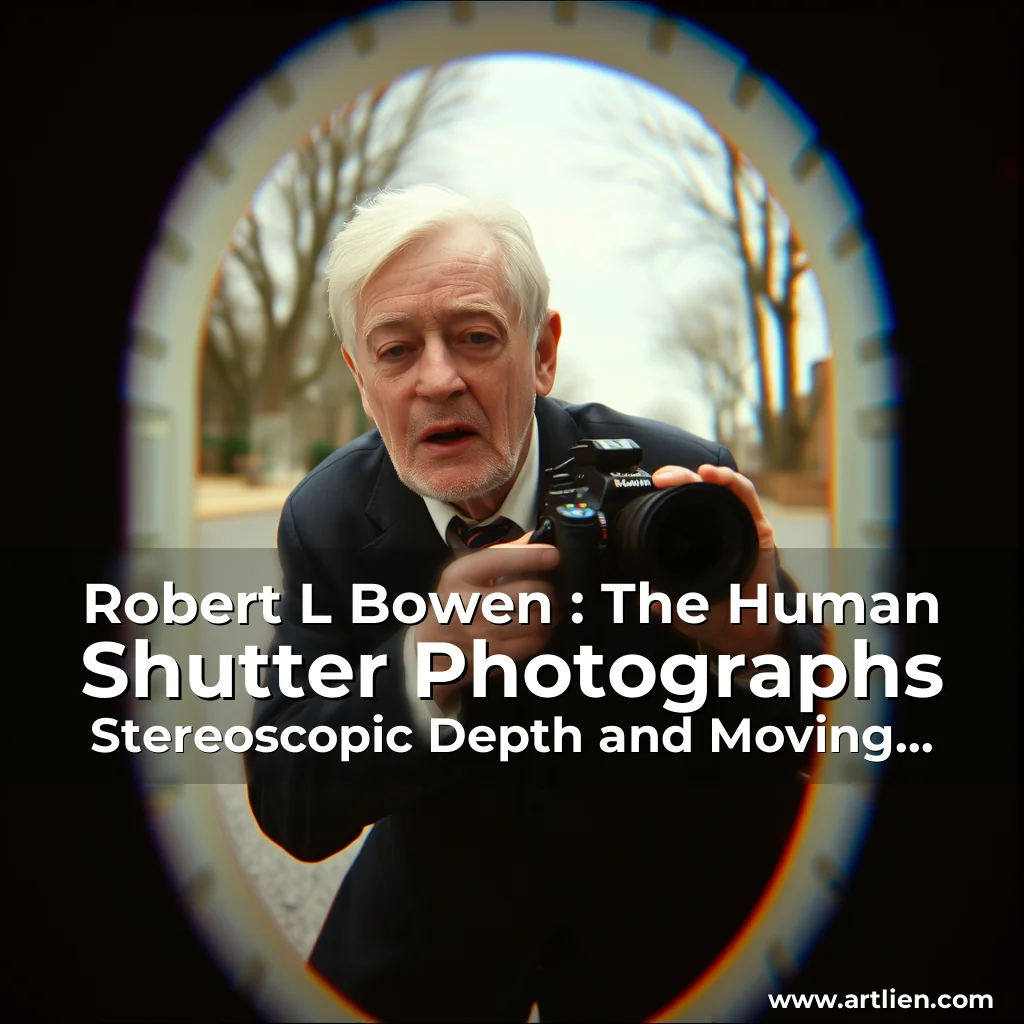
It presents a unique approach to the subject by introducing the concept of temporality in the visual representation of time. This concept challenges the traditional understanding of time as a linear progression, where past, present, and future are clearly defined. Instead, the book argues that time is more fluid and relative, and that photographs can capture and convey this complexity. The book also explores the relationship between photography and memory, examining how photographs can evoke emotions and create a sense of nostalgia. The book delves into the concept of temporal narratives, which is the way people construct and share stories about their past experiences. It highlights how photographs can become a part of these narratives, serving as a visual representation of memory and a tool for storytelling. The book covers a wide range of topics, including the use of photographs in personal and public spaces, the role of photography in shaping cultural attitudes towards time and memory, and the ways in which photography can be used to challenge dominant narratives and promote critical thinking. The book also examines the relationship between photography and the human brain’s perception of time, exploring how photographs can influence our subjective experience of time. Finally, the book provides a collection of photographs that showcase the concept of temporality in practice, featuring works by various artists and photographers who have explored this concept in their work.
Early Experimentation and Development
Photography-based cinema began to take shape in the mid-nineteenth century with the invention of the stereograph, a device that displayed two slightly different images side by side. This early form of stereoscopic photography was used to create the illusion of depth, and it laid the groundwork for the development of 3D cinema. • The stereograph was a cumbersome device that required the viewer to hold it up to their eye to see the images. It was not until the invention of the stereoscope that the device became more accessible to the general public. • The stereoscope was a device that allowed the viewer to look through two lenses, one for each eye, and view the stereograph.
The Evolution of Perception
The human shutter can be seen as a metaphor for perception and consciousness, with the camera shutter serving as a tangible representation of the mind’s ability to filter and process information. This concept is not new, as early photographic investigators Thomas Wedgwood and Humphry Davy were already exploring the relationship between time and space in their work. • The camera shutter’s ability to control the duration of exposure is analogous to the human brain’s ability to filter and process sensory information. • The shutter’s movement is also reminiscent of the brain’s ability to selectively focus on certain stimuli while ignoring others.
His work spans a wide range of mediums, including painting, sculpture, and performance art. In addition to his visual art practice, Bowen is also a published author and has written extensively on various topics, including art criticism and the history of art. Bowen’s work is often described as provocative and challenging, pushing boundaries and questioning societal norms. His artistic practice is deeply rooted in the conceptual and the avant-garde, drawing inspiration from various sources such as philosophy, literature, and history. This is evident in his use of unconventional materials and techniques, which often challenge the viewer’s expectations and perceptions. For instance, his sculpture Invisible Man features a figure rendered in invisible ink, requiring the viewer to use a UV lamp to reveal the image. This use of technology and cleverness is a hallmark of Bowen’s practice, blurring the lines between art and science. Bowen’s writing is also notable for its intellectual depth and complexity, tackling topics such as postmodernism, identity, and the role of the artist in society. His essays and reviews have been published in various journals and publications, including The Brooklyn Rail and Artforum. His work is characterized by a keen sense of observation and analysis, as well as a willingness to engage with difficult and contentious issues. This is reflected in his review of the artist Marcel Duchamp’s work, where he argues that Duchamp’s readymades were not merely pranksterish, but rather a sophisticated exploration of the nature of art itself. Through his writing, Bowen offers a nuanced and insightful perspective on the art world, one that is both deeply informed and intellectually stimulating. Bowen’s artistic practice is not limited to visual art, but also extends to performance and installation.


news is a contributor at ArtLien. We are committed to providing well-researched, accurate, and valuable content to our readers.
You May Also Like

Greenfield Recorder The clouds changed everything : Local photographer work on display at Greenfield Public Library through Feb 28
He is also a poet and artist. Jablon's work is known for its unique blend of science, art, and philosophy....

Thousands enjoy art on frozen Minneapolis lake Borneo Bulletin Online
The event was organized by the Minneapolis-based non-profit organization, the Art Shanty Project.The Concept Behind the Art Shanty ProjectsThe Art...
SCRAP: A Time Capsule of Artistic Innovation
In a run-down industrial complex in Bayview, San Francisco, a hidden gem lies in wait. Behind a nondescript facade, lies...
Governor highlights role of arts in cultural enrichment
The festival was attended by over 2000 students from 30 states and 5 countries.The Significance of Multi-Faceted ArtsA Window to...