


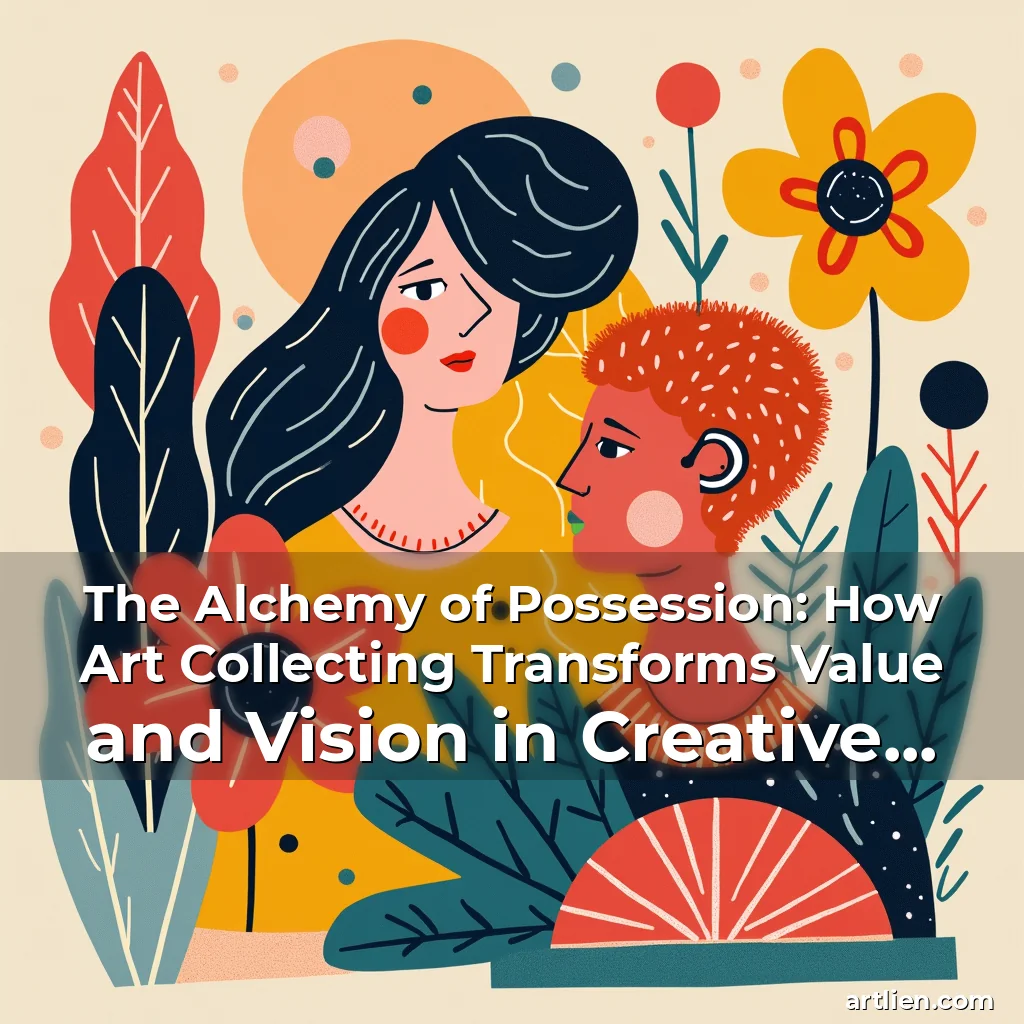
The Alchemy of Possession: How Art Collecting Transforms Value and Vision in Creative Communities
In an era where digital footprints often eclipse physical artifacts, the act of collecting art emerges as both a defiant tradition and a dynamic evolution within creative circles. For artists and design professionals navigating the intricate landscapes of inspiration and innovation, art collecting is far from mere acquisition—it’s a strategic dance between aesthetics, economics, and cultural curation.
This exploration delves beyond surface-level appreciation, peeling back layers that reveal how possession transforms artistic visions into tangible legacies while simultaneously fueling new creative dialogues across mediums and disciplines. From gallery walls to personal studios, each collected piece becomes a silent collaborator in the ongoing story of visual expression.
Redefining Ownership Through Aesthetic Investment
Modern art collecting has evolved from traditional patronage models into a multifaceted practice that intertwines financial strategy with philosophical engagement. Today’s collectors are not simply curators of objects; they become custodians of narratives that span centuries yet remain perpetually relevant through contemporary reinterpretation.
This shift redefines ownership itself—no longer merely about possessing items but actively participating in their continued existence. When acquiring artwork, collectors engage in what could be described as aesthetic investment, where emotional resonance meets economic potential in a symbiotic relationship that fuels both individual passion and market vitality.
The dual nature of art collection lies in its capacity to serve as both personal sanctuary and public statement:
- Cultural capital accumulation: Acquiring significant works builds credibility within creative communities by demonstrating deep understanding of artistic movements and trends.
- Economic diversification: Strategic purchases can yield substantial returns over time while supporting emerging talent whose work may appreciate exponentially.
Navigating the Contemporary Art Market Landscape
The current art market presents a paradoxical terrain shaped by rapid technological advancements and enduring human desire for connection. Online platforms have democratized access while maintaining exclusivity through algorithmic gatekeeping, creating complex ecosystems where visibility and value coexist uneasily.
Understanding these dynamics requires discernment—an ability to differentiate between fleeting viral sensations and pieces with lasting conceptual depth. This necessitates developing critical frameworks that go beyond superficial aesthetics to examine context, provenance, and artist intent at every stage of acquisition.
Digital Disruption and Physical Presence
Recent data reveals a fascinating trend: despite the rise of NFTs and virtual galleries, 68% of high-net-worth collectors still prioritize physical artworks for their collections. This statistic underscores the irreplaceable experience of encountering original materials—the tactile qualities, the light interaction, and the spatial presence that digital reproductions cannot replicate.
Further analysis shows that physical collections maintain higher resale values during economic downturns compared to purely digital portfolios. While crypto-based assets face volatility challenges, traditional fine arts demonstrate resilience rooted in their status as universal symbols of achievement and taste.
Bridging Generational Gaps Through Curatorial Dialogue
Art collecting serves as a powerful bridge connecting generations through shared visual language. When older collectors acquire works by younger artists, they create intergenerational conversations that transcend temporal boundaries, fostering mutual understanding between different creative eras.
This cross-pollination enriches both parties: established collectors gain fresh perspectives and cutting-edge techniques, while emerging artists receive validation and exposure from respected figures who understand the nuances of professional recognition.
The Ethical Dimensions of Acquisition
In an age increasingly conscious of cultural appropriation and historical injustices, ethical considerations have become integral to responsible collecting practices. Recognizing the origins of a piece—its creation context, any colonial histories involved, and the artist’s rights—is now non-negotiable for conscientious collectors.
Prioritizing transparency regarding provenance ensures that acquisitions do not inadvertently support exploitative systems. This includes verifying that indigenous artists retain control over their intellectual property and that diasporic creators receive appropriate attribution for their heritage-informed works.
Curating Personal Narratives Through Selective Accumulation
Each curated collection tells a unique story—one that reflects the collector’s journey through various phases of artistic discovery and professional growth. These evolving narratives manifest physically in spaces where curated arrangements transform private domains into immersive environments of continuous dialogue.
Selecting pieces becomes an exercise in self-expression, where every acquisition adds another layer to the collector’s identity. Whether displayed publicly or kept private, these selections articulate unspoken philosophies about beauty, meaning, and the ever-changing landscape of creative endeavor.
Strategic Engagement With Emerging Talent
Supporting up-and-coming artists offers dual benefits: it nurtures future innovators while potentially yielding exceptional investment opportunities. Early-stage acquisitions allow collectors to influence artistic trajectories through direct engagement rather than passive observation.
Building relationships with emerging creators involves more than monetary transactions. It requires genuine interest in their creative processes, willingness to provide mentorship when appropriate, and commitment to amplifying their voices within broader artistic discourse.
The Role of Technology in Modern Collection Management
Advancements in archival science and digital cataloging have revolutionized how collectors manage their holdings. High-resolution imaging allows precise documentation of condition changes over time, while blockchain technology provides immutable records of provenance and transaction history.
Smart inventory systems enable real-time tracking of location, environmental conditions, and exhibition schedules. These tools empower collectors to make informed decisions about conservation needs and display logistics without compromising the integrity of their collections.
Creating Spaces That Foster Creative Exchange
A well-curated space does more than house artwork—it becomes a catalyst for spontaneous creativity and collaborative experimentation. Thoughtfully arranged displays encourage unexpected interactions between pieces, sparking ideas that might never emerge in isolation.
These environments function as living laboratories where collectors themselves can observe how different combinations evoke varied responses, refining their curatorial instincts through continual engagement with the works they’ve chosen to preserve.
Preservation as an Act of Cultural Stewardship
Maintaining the longevity of a collection demands rigorous preservation protocols that extend beyond simple storage solutions. Understanding material composition, climate sensitivity, and light degradation factors is essential for ensuring that artworks endure for future generations.
Professional conservators play crucial roles in implementing preventive care measures such as controlled humidity levels, UV-filtered lighting, and specialized mounting techniques tailored to each medium’s requirements. Regular assessments help identify early signs of deterioration before irreversible damage occurs.
Community Building Through Shared Appreciation
Collectors often find themselves becoming de facto community leaders within artistic circles, using their resources and networks to foster connections among diverse creatives. Organizing viewing sessions, hosting salons, or initiating exchange programs creates fertile ground for cross-disciplinary collaborations.
These efforts contribute to building supportive ecosystems where artists feel encouraged to take risks and explore unconventional approaches. Such environments naturally attract other passionate individuals eager to participate in the collective pursuit of excellence.
The Evolutionary Nature of Collections
No collection remains static indefinitely. As collectors grow personally and professionally, so too must their holdings evolve to reflect changing priorities and expanded horizons. This process mirrors the iterative nature of artistic development itself.
Periodically reassessing existing selections allows for refreshing perspectives, identifying gaps in representation, and incorporating new influences that align with shifting worldviews. Embracing change prevents stagnation while keeping the collection vibrant and intellectually stimulating.
Measuring Impact Beyond Monetary Metrics
While financial return is an obvious consideration, true impact extends far beyond ledger entries. Assessing intangible outcomes—such as how a particular acquisition inspired an artist’s breakthrough or facilitated meaningful dialogues between disparate disciplines—offers deeper insight into the value created through collection activities.
Tracking these qualitative impacts helps refine future strategies, ensuring that acquisitions continue serving their primary purpose: advancing creative knowledge and strengthening connections within the artistic community.
Conclusion
Art collecting transcends conventional notions of ownership, embodying a profound intersection of personal vision, cultural stewardship, and forward-thinking investment. In the hands of discerning collectors, it becomes a force that sustains artistic innovation while preserving the legacy of past masterpieces for future generations.
By embracing both the responsibilities and rewards inherent in this practice, creative professionals can shape not only their own journeys but also the trajectory of entire artistic ecosystems, ensuring that the alchemy of possession continues to inspire and transform long after the initial acquisition.


news is a contributor at ArtLien. We are committed to providing well-researched, accurate, and valuable content to our readers.
You May Also Like

Department of Art and Design to host ninth annual 24 hour Draw A Thon
The event is open to the public and will be held in the school's auditorium.The 24-Hour Draw-A-Thon: A Celebration of...
Young at heart: unleashing creativity in residents through art question: how can art programs like young at heart benefit elderly communities?
The program is designed to be inclusive and welcoming to all ages and abilities.The Young at HeART Program: A Celebration...
Unleashing Creativity: Living Arts Hosts "Oh, Tulsa!" Workshop Series
A Celebration of Local Talent Living Arts, a vibrant arts organization, has come together to bring a unique artistic experience...
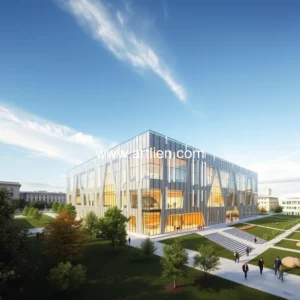
Diller scofidio + renfro unveils innovative design for unm's center for collabor
The design features a striking, curved façade that echoes the natural curves of the surrounding landscape.Design OverviewThe Center for Collaborative...