


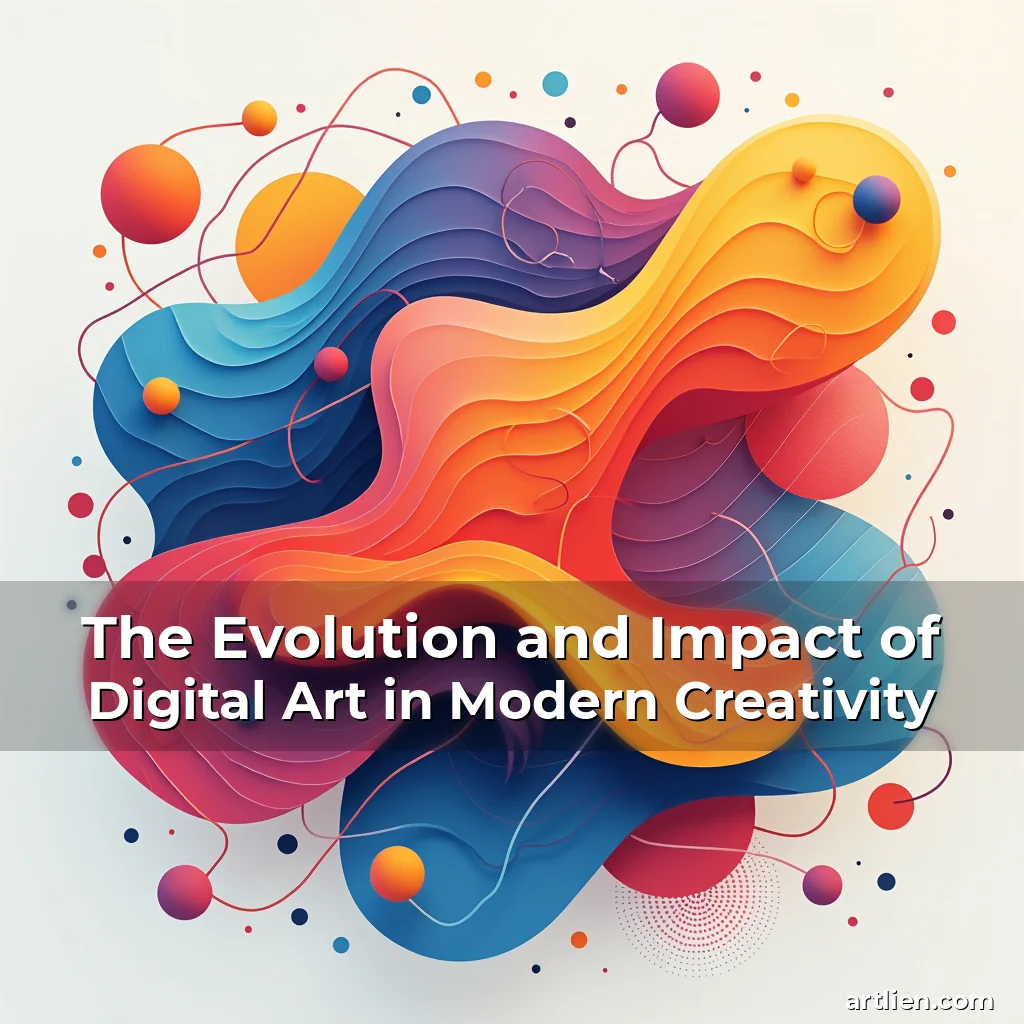
The Evolution and Impact of Digital Art in Modern Creativity
Digital art has revolutionized the way creators express themselves, blending traditional techniques with cutting-edge technology. From pixel-based illustrations to intricate 3D models, digital mediums offer endless possibilities that continue to redefine artistic boundaries.
This exploration delves into how digital tools have transformed creativity across industries, empowering artists to experiment freely while maintaining high-quality output through advanced software solutions.
The Rise of Digital Tools in Contemporary Art
In recent decades, the emergence of powerful graphic design applications has dramatically changed the landscape of visual arts. Programs such as Adobe Photoshop and Procreate now serve as essential instruments for both novice and professional artists alike.
These platforms provide features ranging from layer management systems to realistic brush simulations that mimic physical media like oil paints or watercolors. This versatility allows creators to achieve complex compositions without needing extensive knowledge of traditional methods.
Moreover, cloud computing advancements enable seamless collaboration among global teams working on shared projects simultaneously. Artists can now access their work from any location while benefiting from real-time feedback mechanisms embedded within modern workflows.
- Layered composition: Enables non-destructive editing by isolating different elements of an artwork
- Brush customization: Offers thousands of pre-set brushes alongside options for creating custom ones tailored to individual styles
- Non-linear workflow: Facilitates iterative refinement processes where changes can be made at any stage without affecting previous stages
As these technologies evolve continuously, they empower artists not only to produce visually stunning pieces but also to explore new forms of expression previously unattainable using conventional materials.
Digital Painting Techniques and Their Influence on Traditional Methods
Digital painting has become a cornerstone technique within contemporary art practices due to its adaptability and efficiency compared to traditional approaches. With stylus-enabled tablets offering pressure sensitivity levels comparable to those found in physical canvases, artists gain precise control over color application and texture creation.
One significant advantage lies in the ability to undo mistakes instantly—an invaluable feature when experimenting with unconventional color palettes or abstract compositions. Unlike traditional paintings where errors often require starting anew, digital environments allow limitless revisions before finalizing a piece.
Furthermore, the integration of AI-assisted tools enhances productivity by suggesting color harmonies based on existing palettes or automatically adjusting lighting effects according to spatial relationships within the artwork.
This fusion of human intuition with machine intelligence opens up exciting avenues for innovation while preserving core principles of artistic craftsmanship.
Exploring the Intersection Between Analog and Digital Creation
The relationship between analog and digital art is increasingly symbiotic rather than oppositional. Many accomplished artists leverage hybrid approaches combining hand-drawn sketches with computer-generated enhancements to create multidimensional works.
For instance, concept illustrators frequently begin with pencil studies before scanning them digitally for further development using vector illustration programs like Illustrator or raster-based editors such as Corel Painter.
This blended methodology ensures that the organic qualities inherent in manual drawing coexist with the precision afforded by digital manipulation techniques.
Additionally, augmented reality experiences are being developed where viewers interact with static artworks through mobile devices, effectively merging physical exhibitions with virtual overlays.
The Role of Augmented Reality in Bridging Physical-Digital Gaps
Augmented reality (AR) serves as a pivotal bridge connecting tangible creations with immersive digital interfaces. Museums worldwide are adopting AR installations that let visitors view additional layers of information superimposed onto original artworks via smartphone apps.
According to a report published by Statista in 2023, approximately 68% of museum curators expressed interest in implementing AR technologies to enhance visitor engagement during pandemic-related restrictions which limited physical attendance significantly.
This trend highlights how technological innovations respond dynamically to evolving societal contexts while expanding accessibility beyond geographical constraints typically associated with gallery spaces.
By integrating AR components into exhibition designs, institutions foster deeper connections between audiences and artifacts through interactive storytelling formats that transcend passive observation modes traditionally favored in conventional display setups.
Diversity Within Digital Art Forms and Mediums
The spectrum of digital art encompasses numerous distinct disciplines each possessing unique characteristics yet united under common technological frameworks. These range from purely representational portraits executed via Wacom Cintiq tablets to algorithmically generated fractals produced through programming languages like Processing.
Videogame concept designers utilize specialized tools such as Blender for character modeling combined with Substance Designer for texturing surfaces realistically before exporting assets into game engines for implementation purposes.
Meanwhile, generative artists employ coding libraries including p5.js to craft dynamic visuals responding interactively to user inputs or environmental variables, thus blurring lines between creator and viewer roles.
Creative coding communities thrive globally online where participants share open-source scripts enabling others to remix ideas collaboratively towards collective artistic endeavors.
Educational Opportunities Shaping Future Generations of Digital Artists
Higher education institutions recognize the growing importance of equipping students with proficiency in digital production pipelines. Consequently, many universities have integrated courses covering motion graphics, UI/UX design principles, and procedural generation techniques into their fine arts curricula.
Online learning platforms facilitate flexible acquisition of technical skills through structured tutorials accessible anytime anywhere regardless of geographic location limitations faced by traditional classroom settings.
Students enrolled in digital art degree programs benefit from mentorship opportunities provided by industry veterans who guide them toward developing market-ready portfolios showcasing diverse project types spanning commercial illustration commissions to experimental multimedia installations.
Furthermore, internships arranged with tech companies expose emerging talents firsthand to current trends shaping tomorrow’s creative landscapes ensuring graduates remain competitive amidst rapid technological evolution.
Economic Implications and Market Trends Affecting Digital Artists
The economic viability of pursuing careers centered around digital art varies widely depending upon factors such as specialization areas chosen and networking capabilities cultivated early-on. Freelance platforms like Fiverr or Upwork connect independent creatives directly with clients seeking bespoke services ranging from logo designs to full branding campaigns.
NFT markets emerged prominently following Ethereum blockchain developments allowing artists to tokenize their works securely establishing verifiable ownership records transferable across decentralized networks.
This paradigm shift introduced novel revenue streams enabling creators to monetize digital outputs directly without intermediaries controlling distribution channels or pricing structures traditionally dictated by galleries or publishers.
However, challenges persist regarding intellectual property rights enforcement particularly concerning unauthorized reproductions circulating freely online despite watermark protections implemented by some platforms attempting safeguarding measures against plagiarism concerns.
Social Media Platforms as Catalysts for Creative Expression
Social media ecosystems play instrumental roles in amplifying visibility for digital artists aiming to build personal brands reaching broader audiences organically rather than relying solely on formal exhibition circuits.
Pinterest functions similarly serving dual purposes—both discovery hub for potential buyers exploring aesthetics aligned with their tastes while simultaneously acting as portfolio showcase space demonstrating ranges covered by respective contributors’ bodies of work.
TikTok fosters viral sensations through short-form video clips highlighting behind-the-scenes glimpses revealing creative processes involved making particular pieces thereby demystifying perceived exclusivity surrounding artistic endeavors.
Instagram remains dominant platform facilitating direct interactions between followers and creators through comment threads encouraging ongoing dialogues strengthening community bonds formed virtually amongst peers sharing similar passions related fields.
Environmental Considerations Influencing Sustainable Practices Amongst Digital Creators
Despite perceived eco-friendliness attributed sometimes mistakenly given absence visible waste products unlike traditional crafts involving paint thinners or paper consumption rates associated printmaking activities, digital workflows still consume energy resources powering computers running intensive rendering tasks.
Conscious efforts undertaken reduce carbon footprint include utilizing solar-powered charging stations whenever possible switching off unnecessary background processes optimizing file sizes minimizing server load requirements hosting websites efficiently.
Some studios adopt green certifications aligning operations accordingly promoting ethical standards attracting environmentally aware patrons preferring supporting businesses prioritizing sustainability initiatives actively.
Collaboration among artists could lead towards developing energy-efficient algorithms reducing processing times required executing complex animations contributing collectively lowering overall electricity usage sector-wide.
Redefining Authenticity Through Technological Advancements In Artistic Processes
Technological progressions challenge conventional notions surrounding authenticity criteria used evaluating artistic merit within contemporary discourse circles. Questions arise whether works created wholly autonomously through artificial intelligence possess same intrinsic value assigned manually crafted counterparts.
Curatorial practices must evolve adapting curation strategies acknowledging legitimacy granted algorithmically derived outputs without dismissing contributions humans providing initial stimuli triggering computational responses generating resultant imagery.
Artists embracing collaborative models wherein machines assist ideation phases retain authorship credits recognizing role played assisting agents enhancing creative capacities surpassing solitary execution limits imposed biological constraints.
Ultimately defining parameters distinguishing genuine versus synthetic productions becomes fluid necessitating continual reassessment definitions accommodating ever-changing technological paradigms influencing artistic methodologies adopted globally today.
Future Prospects And Emerging Technologies Transforming Digital Art Landscape
Advances occurring rapidly within artificial intelligence domain promise transformative impacts reshaping entire field of digital artistry moving forward. Machine learning algorithms trained vast datasets capable producing photorealistic images indistinguishable from human-made originals raise intriguing questions regarding authorship attribution responsibilities.
Virtual reality headsets equipped haptic feedback mechanisms simulate tactile sensations experienced manipulating physical objects opening doors unprecedented interactivity levels achievable digital realms formerly constrained two-dimensional screens limiting sensory immersion depths attainable three-dimensional environments.
Blockchain implementations extend beyond mere transaction facilitation functions serving verification mechanisms confirming provenance tracking lineage artworks traversing various custodianship transitions ensuring transparency throughout lifecycle journeys enduring masterpieces.
These innovations signal dawn new era characterized convergence cross-disciplinary domains fostering synergistic relationships propelling continuous evolution trajectory artistic expressions facilitated technological breakthroughs unfolding ahead.
Conclusion
Digital art continues to shape cultural narratives redefining what constitutes valid artistic practice within twenty-first century context. Its influence spans multiple sectors including entertainment advertising architecture and scientific visualization domains.
Embracing digital methodologies offers unparalleled advantages enhancing efficiency flexibility experimentation potentials available creators striving push boundaries imagination translating visions realities through innovative medium choices reflective personal aesthetic preferences technical proficiencies attained along journey mastering multifaceted discipline known digital artistry.


news is a contributor at ArtLien. We are committed to providing well-researched, accurate, and valuable content to our readers.
You May Also Like

Mastering Art Exhibitor Resources for Better Results
The Ultimate Resource Hub for Art Exhibitors: Strategies, Tools, and Insights to Elevate Your Exhibition Game In today's dynamic art...
Embracing Creativity: Waterville Welcomes Youth Art Month With Exciting Friday Events!
The Return of Youth Art MonthAfter a brief hiatus, Youth Art Month is back in Waterville, and it's bigger and...
Celebrating hispanic heritage: lycoming language students express through art solution 1:
The Art of IsolationThe exhibition, titled "Now is the Time," is a thought-provoking exploration of the human experience. It delves...
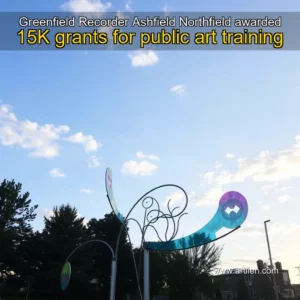
Greenfield Recorder Ashfield Northfield awarded 15K grants for public art training
The Making It Public ProgramThe Making It Public program is a comprehensive training initiative designed to support the development of...