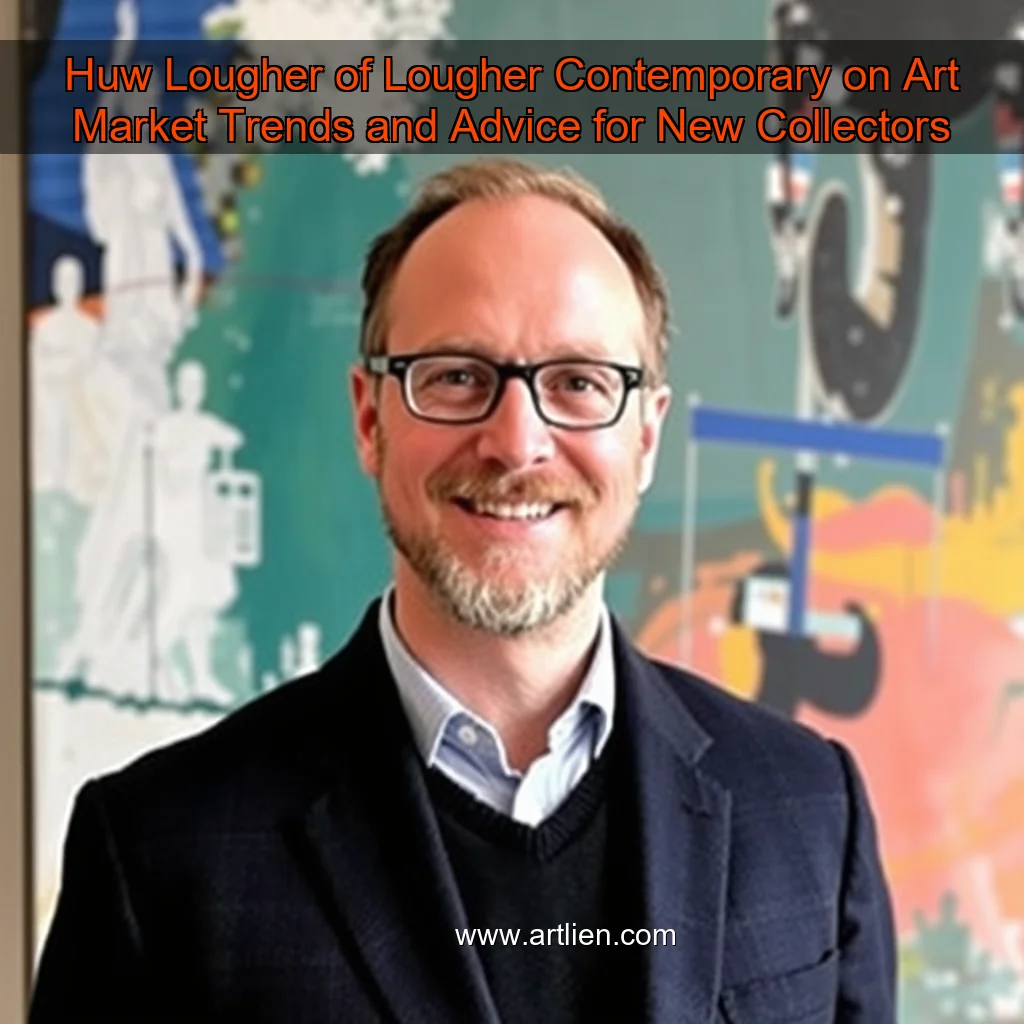
He has been in the art market for over 30 years, with a focus on contemporary art.
The Art World’s Most Coveted Editions
Huw Lougher’s expertise in contemporary blue-chip editions has earned him a reputation as one of the most sought-after art dealers in the industry. His extensive knowledge and network have allowed him to secure some of the most coveted editions in the art world. * Limited Editions: Lougher’s focus on limited editions has given him access to exclusive prints by renowned artists, such as:**
- Takashi Murakami: A Japanese contemporary artist known for his colorful and playful style. Jeff Koons: An American artist famous for his large-scale installations and sculptures. * Richard Prince: An American artist celebrated for his appropriation and recontextualization of existing images. ## The Art of Private Sales**
- Stability and security: Blue-chip artists are less likely to experience a significant decline in value, making them a safer bet for collectors. Predictable market performance: The demand for blue-chip artists is often consistent, allowing collectors to make informed investment decisions.
The Consequences of Overbuying
The consequences of overbuying can be severe, both financially and emotionally. When collectors overpay for art, they may end up with a collection that is not only financially burdensome but also emotionally draining. The pressure to maintain and care for a large collection can be overwhelming, leading to stress and anxiety. Financial strain: Overbuying can lead to financial strain, as collectors may need to take out loans or sell pieces to cover expenses. Emotional distress: The pressure to maintain a large collection can lead to emotional distress, including feelings of guilt, shame, and anxiety. Loss of confidence: Overbuying can also lead to a loss of confidence in one’s ability to make informed purchasing decisions.
Rebuilding Confidence
Fortunately, there are steps that collectors can take to rebuild their confidence and create a more sustainable and enjoyable collecting experience.
Seeking Professional Guidance
- Working with a reputable art dealer or consultant can provide collectors with the guidance and expertise they need to make informed purchasing decisions. A professional can help collectors identify their goals and values, and provide recommendations for artists and pieces that align with those goals. By seeking professional guidance, collectors can avoid making costly mistakes and build a collection that is truly meaningful and enjoyable. ### Focusing on Quality Over Quantity*
Focusing on Quality Over Quantity
- Rather than focusing on accumulating a large number of pieces, collectors can focus on building a collection of high-quality, meaningful works of art. This approach can help collectors avoid the pitfalls of overbuying and create a collection that is truly special and enjoyable.
The Rise of the Secondary Market
The art market has experienced a significant shift in recent years, with the rise of the secondary market playing a crucial role in this transformation. The secondary market, which includes sales of artworks that have already been owned and resold, has grown exponentially, with many new players entering the market, particularly for editions.
Key Players in the Secondary Market
- Christie’s
- Sotheby’s
- Phillips
- Bonhams
- Christie’s Contemporary Art
- Sotheby’s Contemporary Art
- Phillips Contemporary Art
- Bonhams Contemporary Art
These major auction houses have expanded their offerings to include a wide range of artworks, from established artists to emerging talent. They have also increased their online presence, making it easier for buyers and sellers to connect and conduct business.
The Impact of the Secondary Market on the Art World
The secondary market has had a significant impact on the art world, with many artists and galleries benefiting from the increased demand for their work. However, the rise of the secondary market has also led to concerns about the authenticity and provenance of artworks.
You Might Also Enjoy: Annual mental health arts and culture festival to light up Wexford in the new yearAuthenticity and Provenance
- The rise of the secondary market has led to an increase in the number of forgeries and fake artworks being sold.
Understanding Your Why and Setting a Budget for a Clarity in the Art Market.
Understanding Your Motivations and Goals
Before diving into the art market, it’s essential to reflect on why you want to collect art. Are you looking to:
- Enhance your home decor
- Invest in a unique piece of history
- Support emerging artists
- Diversify your portfolio
- Create a legacy for your family
Identifying your motivations and goals will help you navigate the art market with clarity and purpose. It’s also important to consider your budget and what you’re willing to spend on a piece of art.
Setting a Budget
Determining your budget is a critical step in the art-buying process. Consider the following factors:
- Your current financial situation
- Your long-term financial goals
- The type of art you’re interested in collecting
- The market trends and prices of similar pieces
Having a clear understanding of your budget will help you make informed decisions and avoid overspending.
Researching the Art Market
Once you have a clear understanding of your motivations and goals, it’s time to start researching the art market. Here are some key things to consider:
- Art movements and styles: Understanding the different art movements and styles can help you identify what type of art you’re interested in collecting. Artists and their works: Researching the artists and their works can help you identify what pieces are in demand and what prices they’re selling for. Market trends and prices: Staying up-to-date on market trends and prices can help you make informed decisions and avoid overpaying for a piece of art. * Auction houses and galleries: Researching auction houses and galleries can help you find reputable dealers and get a sense of the market.
Here are some tips to help you make informed decisions when buying art.
Understanding the Risks of Buying Art
Buying art can be a thrilling experience, but it’s essential to be aware of the risks involved. Art prices can fluctuate rapidly, and the market can be unpredictable. Here are some key risks to consider:
- Market volatility: Art prices can drop significantly in a short period, leaving you with a loss. Authenticity issues: Forged art can be difficult to detect, and buying a fake can result in financial loss. Condition and provenance: The condition and ownership history of a piece can impact its value. * Lack of liquidity: Some art pieces may not be easily sellable, leaving you with a hard-to-value asset. ## Assessing the Value of Art**
Assessing the Value of Art
Before making a purchase, it’s crucial to assess the value of the art piece.
Building trust is key to establishing strong relationships in the art world.
Building Relationships in the Art World
The art world is a complex and dynamic ecosystem, where relationships play a crucial role in success. To thrive in this environment, it’s essential to focus on building strong relationships with like-minded individuals who share your values and vision. In this article, we’ll explore the importance of trust, honesty, and transparency in establishing meaningful connections with others in the art world.
Trust: The Foundation of Strong Relationships
Trust is the cornerstone of any successful relationship. In the art world, trust is built when you demonstrate reliability, integrity, and a willingness to listen. When you can be counted on to follow through on commitments and maintain confidentiality, others are more likely to trust you.
news is a contributor at ArtLien. We are committed to providing well-researched, accurate, and valuable content to our readers.
You May Also Like
The Art of Private Sales
Lougher’s private sales expertise has also made him a go-to figure for high-net-worth individuals and collectors seeking to acquire rare and valuable art pieces. His ability to connect buyers with sellers has resulted in numerous successful transactions.
Economic downturns and shifting investor preferences are reshaping the art market.
Here are some key points to consider:
The Impact of Macro Economic Factors
The COVID-19 pandemic and subsequent economic downturns have significantly impacted the art market. The global economy experienced a recession, leading to reduced consumer spending and a decrease in art sales. This downturn was exacerbated by the war in Ukraine, which disrupted global supply chains and further reduced demand for art. The art market’s reliance on international trade and global supply chains makes it vulnerable to economic fluctuations. The pandemic accelerated the shift towards digital art, with online marketplaces and virtual exhibitions becoming increasingly popular.*
The Shift in Investor Preferences
Investor preferences have also undergone a significant shift in recent years. The art market’s boom from 2020 to 2022 was driven by a surge in demand for art from institutional investors, such as pension funds and endowments. However, this trend has reversed, with many investors now seeking more traditional assets, such as stocks and bonds.
Collectors Seek Stability in Art Market Shifts with Blue-Chip Artists.
The Rise of Blue-Chip Artists
In recent years, the art market has experienced a significant shift in focus. As the popularity of emerging artists has waned, collectors are increasingly turning to blue-chip artists to balance their collections. This trend is driven by the desire for stability and security in the art market, where the value of artworks can fluctuate greatly. Key characteristics of blue-chip artists: + Established reputation + Consistent output + High demand + Limited supply + Strong market presence
The Benefits of Investing in Blue-Chip Artists
Investing in blue-chip artists offers several benefits to collectors. These include: