


The Rise of Contemporary Art Market
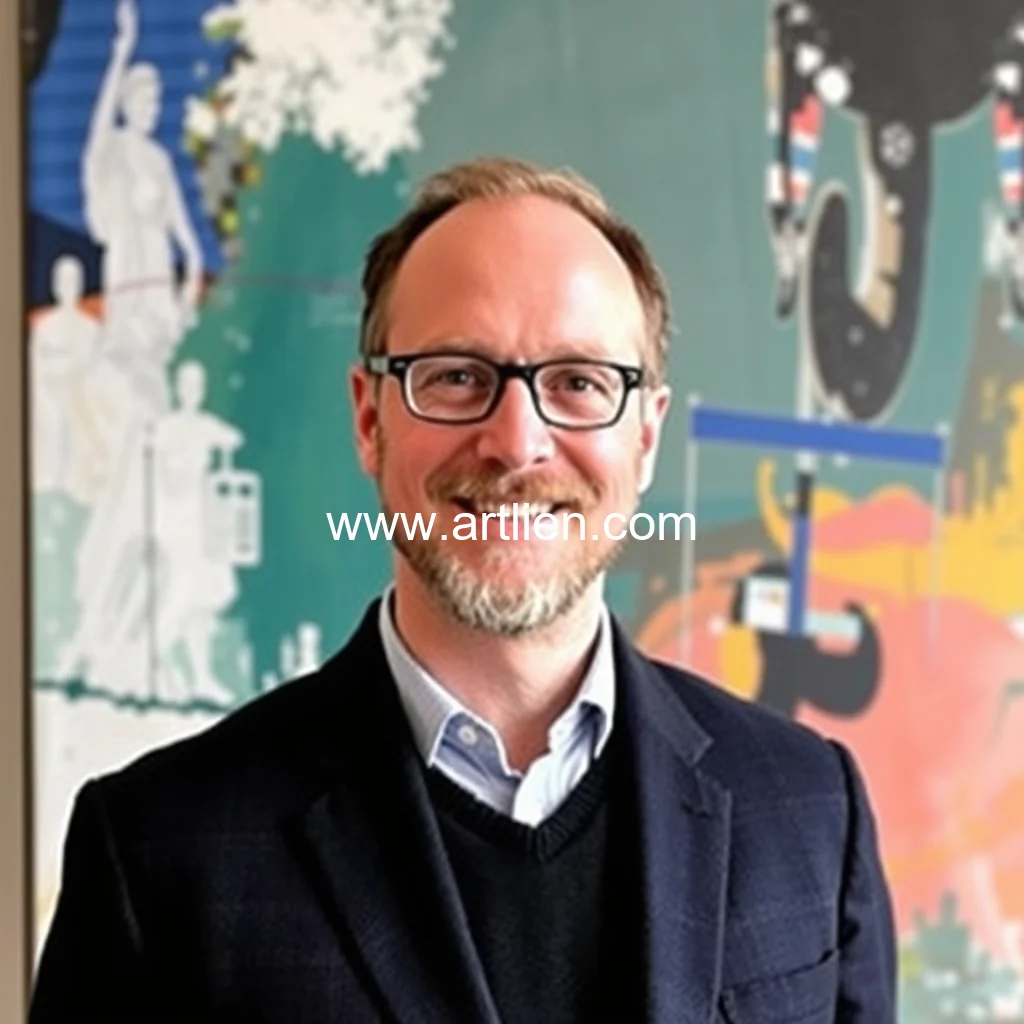
The contemporary art market has experienced significant growth and volatility in recent years. According to Huw Lougher, founder of LouGher Contemporary, this market is characterized by a unique blend of factors that contribute to its dynamic nature.
Factors Contributing to the Market’s Volatility
The Role of Private Sales
Private sales have become increasingly important in the contemporary art market. According to Huw Lougher, private sales offer a unique opportunity for collectors to acquire art that may not be available through public sales. Anonymity: Private sales allow collectors to remain anonymous, which can be attractive for those who value discretion.
Here are some key points to consider:
The Impact of Macro-Economic Factors
The global economy has experienced significant fluctuations since 2020, with rising inflation, interest rates, and supply chain disruptions. These factors have led to a decrease in investor confidence, causing a slowdown in the art market. However, it’s essential to note that the art market is not immune to economic downturns. The art market is highly sensitive to economic indicators, such as GDP growth, inflation rates, and interest rates.
The Rise of Blue-Chip Artists
In recent years, the art market has experienced a significant shift in focus. As the hype surrounding emerging artists begins to fade, collectors are turning their attention to blue-chip artists. These established artists have built a reputation for producing high-quality work, and their editions are seen as a safer bet in the art market. Key characteristics of blue-chip artists: + Established reputation + Consistent production + High-quality work + Limited edition availability + Strong market demand
The Benefits of Investing in Blue-Chip Artists
Investing in blue-chip artists offers several benefits to collectors. By focusing on established artists, collectors can:
The Role of Limited Editions
Limited editions play a crucial role in the value of blue-chip artists’ work. These editions are often produced in small quantities, making them highly sought after by collectors.
The Consequences of Consolidation and Downsizing
The process of consolidating and downsizing has significant consequences for collectors, dealers, and the market as a whole. Some of the key effects include:
The Impact on Dealers
Dealers are particularly vulnerable to the consequences of consolidation and downsizing. As inventory levels decrease, dealers are left with fewer items to sell, reducing their revenue and profitability. This can lead to:
The Impact on Collectors
Collectors are also affected by the consolidation and downsizing process.
The Rise of the Secondary Market
The art market has undergone significant changes in recent years, with the rise of the secondary market playing a crucial role in shaping its landscape. The secondary market, which includes art sales through auction houses, galleries, and online platforms, has become increasingly popular among collectors and investors.
Key Players in the Secondary Market
The Impact of New Players on the Market
The entry of new players into the secondary market has brought about significant changes. With the rise of online platforms, art has become more accessible to a wider audience. However, this increased competition has also led to a decrease in prices, making it challenging for buyers to find high-quality art at affordable prices.
Challenges in the Sub-£10,000 Range
Reflecting on Your Passion for Art to Navigate the Market with Clarity and Purpose.
Understanding Your Motivations and Goals
Before diving into the art market, it’s essential to reflect on why you want to collect art. Are you looking to:
Setting Realistic Expectations
It’s also vital to set realistic expectations about the art market. The art world is unpredictable, and prices can fluctuate rapidly. Be aware that:
By understanding these factors, you can avoid getting caught up in the excitement of the art market and make more informed decisions.
Getting Started with Art Collecting
Now that you have a clear understanding of your motivations and goals, it’s time to start exploring the art market.
Research and due diligence are essential to avoid costly mistakes.
The Art of Investing in Art
Investing in art can be a thrilling and potentially lucrative venture, but it requires careful consideration and a solid understanding of the market.
Understanding the Art Market
The art market is a complex and dynamic system, influenced by various factors such as:
Research and Due Diligence
To avoid costly mistakes, it’s essential to conduct thorough research and due diligence before making a purchase. Know the artist: Research the artist’s background, style, and previous sales. Understand the market: Stay up-to-date with market trends, prices, and sales data. Inspect the piece: Carefully examine the artwork for any signs of damage or restoration.
Building trust is key to establishing strong relationships in the art world.
Building Relationships in the Art World
The art world is a complex and dynamic ecosystem, where relationships play a crucial role in success. To thrive in this environment, it’s essential to focus on building strong connections with like-minded individuals who share your values and vision. In this article, we’ll explore the importance of trust, honesty, and transparency in establishing meaningful relationships in the art world.
Trust: The Foundation of Strong Relationships
Trust is the cornerstone of any successful relationship. In the art world, trust is built when you demonstrate reliability, integrity, and a willingness to listen.


news is a contributor at ArtLien. We are committed to providing well-researched, accurate, and valuable content to our readers.
You May Also Like

Unleashing Creativity: Living Arts Hosts "Oh, Tulsa!" Workshop Series
A Celebration of Local Talent Living Arts, a vibrant arts organization, has come together to bring a unique artistic experience...

Discovering the Artistic Voices of Tomorrow
The annual exhibition, Top Arts, is a celebration of students who have excelled in VCE art subjects. This year, the...
Transforming city into artistic hub by fostering talents Guwahati News
It also provides training in visual art, including painting, drawing, and sculpture. The Mission of Kalasamanya Kalasamanya is a non-profit...
Can Google Free Ai Really Rival Chatgpt For Stunning Ghibli Art ? You Wont Believe What Happened When I Asked It To Draw One For Me!
That’s exactly what researchers at the University of California, Los Angeles (UCLA) have made possible with their latest breakthrough. The...