


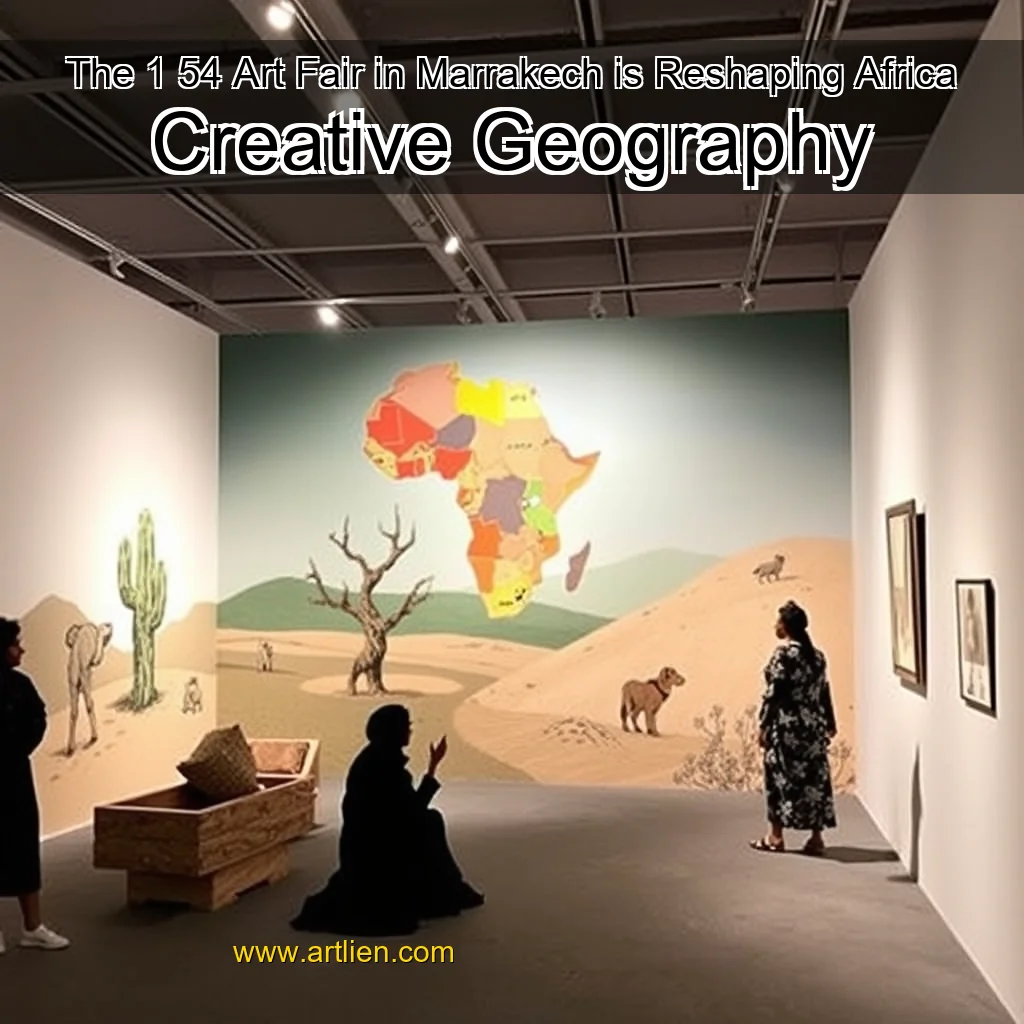
Many of these artists were from the Maghreb region, which includes countries such as Morocco, Algeria, and Tunisia. The Maghreb region has a rich cultural heritage, with influences from the Mediterranean, Arab, and Berber traditions.
The Influence of the West on North African Art
The West has had a profound impact on North African art, particularly in the 20th century. Many North African artists were influenced by Western art movements, such as Expressionism and Cubism. These movements emphasized the importance of individual expression and the rejection of traditional forms. North African artists were drawn to these movements because they offered a way to break free from the constraints of traditional art forms and to express themselves in new and innovative ways. Key characteristics of Western art movements that influenced North African art: + Emphasis on individual expression + Rejection of traditional forms + Use of new materials and techniques + Experimentation with color and composition
The Maghreb Region’s Cultural Heritage
The Maghreb region has a rich cultural heritage, with influences from the Mediterranean, Arab, and Berber traditions.
1-54 is a biennial art fair that showcases the work of African artists, and Marrakech’s international airport is a major hub for flights from Europe and the Middle East.
El Glaoui’s efforts to bring North African artists and musicians to the fair have had lasting impacts, not only on the representation of the region but also on the perception of African culture and identity.
Step 1: Understanding the Context of El Glaoui’s Efforts
El Glaoui’s investment in breaking down distinctions between North Africa and the rest of the continent was a pivotal moment in shaping the narrative of African culture. By doing so, she aimed to challenge the long-standing dichotomies that had separated North Africa from the rest of Africa, fostering a more inclusive and cohesive African identity. This effort was particularly significant in the context of the fair, where North African artists and musicians would be showcased alongside their counterparts from other regions.
Step 2: The Significance of the Fair’s Location
The location of the fair played a crucial role in rebalancing North Africa’s presence in African conversations. By bringing together artists and musicians from diverse regions, the fair provided a platform for North African voices to be heard and represented.
The fair is a celebration of African culture and heritage, showcasing the diversity of the African diaspora. The event is organized by the African Cultural Centre, a non-profit organization that aims to promote and preserve African culture and heritage. The fair features a range of activities, including music, dance, art, and food from different African countries and regions. The event also includes a marketplace where visitors can purchase traditional African clothing, crafts, and souvenirs.
The History of the African Cultural Centre and the Fair
The African Cultural Centre was established in 2001 with the goal of promoting and preserving African culture and heritage. The centre was founded by a group of African immigrants who wanted to create a platform for African artists, musicians, and performers to showcase their talents. Over the years, the centre has grown and evolved, becoming a leading organization in the promotion of African culture and heritage. The African Cultural Centre’s fair has a long history, dating back to 2003. The first fair was held in London, and it was a huge success, attracting thousands of visitors from across the globe.


news is a contributor at ArtLien. We are committed to providing well-researched, accurate, and valuable content to our readers.
You May Also Like

Music theater and more : What happening in Snohomish County
The concert will be held at the historic Everett Theatre, located in downtown Everett, Washington.The Historic Everett Theatre: A Venue...
LEARNING IN LOUISIANA
The trip was a huge success, with the club members enjoying the city's vibrant culture, rich history, and delicious Creole...
May Flowers Bring Masterpieces
Portland and Willamette are set to bloom with the annual exhibitions honoring Bachelors and Masters of Fine Arts from Pacific...
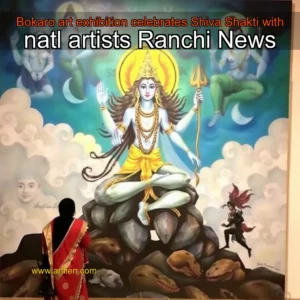
Bokaro art exhibition celebrates Shiva Shakti with natl artists Ranchi News
The Shiva Shakti Exhibition: A Celebration of Art and CultureThe Shiva Shakti exhibition is a grand event that brings together...