


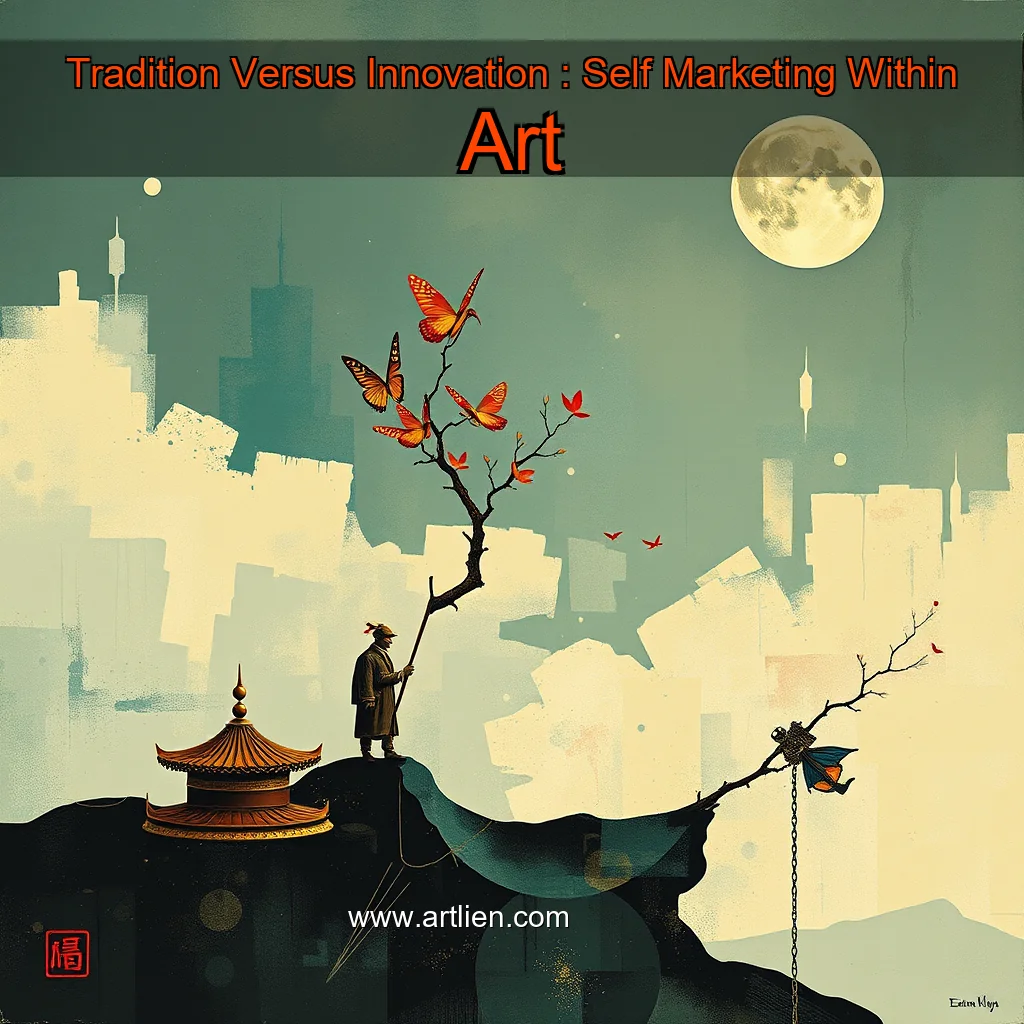
The Rise of the Digital Art Market
The art market is experiencing a significant shift, driven by technological advancements and changing consumer behaviors. The rise of digital art has opened up new opportunities for artists, collectors, and art market professionals. Here are some key trends shaping the digital art market:
With the rise of online platforms, the traditional notion of an art degree is being challenged.
The Rise of Online Art Marketplaces
The online art market has experienced significant growth in recent years, with platforms like Singulart, Artsy, and Saatchi Art leading the way. These platforms have democratized the art market, allowing artists to showcase and sell their work to a global audience. With the ability to reach a vast and diverse customer base, online platforms have become an attractive option for artists looking to establish themselves in the art world. Key features of online art marketplaces: + Global reach + Accessibility to a vast customer base + Ability to showcase and sell artworks online + Reduced costs and increased efficiency
The Changing Notion of an Art Degree
The rise of online platforms has led to a shift in the way we think about art education. With the ability to sell artworks online, artists no longer need a traditional art degree to establish themselves in the art world. This challenges the traditional notion that an art degree is necessary for success in the art industry. The role of an art degree: + Provides a foundation in art history, theory, and technique + Offers opportunities for networking and building relationships with other artists and art professionals + Can provide access to resources and funding for artists + Can be a stepping stone to further education and career advancement
The Impact on Art Education
The rise of online platforms has significant implications for art education.
However, with the rise of social media and online platforms, artists can now reach a broader audience and build their own careers.
The Rise of the Non-Academic Artist
The democratization of art has led to a surge in the number of non-academic artists entering the scene. These artists often lack formal training, but they bring a unique perspective and skillset to the table. Some notable examples of non-academic artists include:
The Impact on Galleries and the Art World
The shift in power dynamics has significant implications for galleries and the art world as a whole. Galleries must now adapt to a new reality where artists can build their own careers and reach a broader audience. This has led to:
The Rise of Alternative Education
The traditional academic route is no longer the only path to success in the art world. As the art market continues to evolve, alternative education models are gaining popularity among young creatives.
The Rise of the Digital Age
The digital age has brought about a seismic shift in the art world. With the rise of social media, online platforms, and digital marketplaces, artists are now more connected than ever before. However, this increased connectivity has also led to a new set of challenges. The traditional gallery model, which relied on physical exhibitions and word-of-mouth, is no longer sufficient.
The Changing Landscape of Art Galleries
Traditional galleries have had to adapt to the digital age. Many have incorporated social media into their marketing strategies, using platforms like Instagram and Facebook to showcase their artists and exhibitions. However, this shift has also led to a new set of challenges. Galleries must now compete with online platforms and digital marketplaces, which offer a wider reach and more flexible pricing models. Some galleries have responded by creating their own online platforms, allowing artists to sell their work directly to collectors. Others have focused on building a strong online presence, using social media to promote their artists and exhibitions. However, this shift has also led to concerns about the role of traditional galleries in the art world.
The Rise of Digital Marketplaces
Digital marketplaces have emerged as a new way for artists to sell their work. Platforms like Saatchi Art and Artsy allow artists to showcase their work and connect with potential buyers.
To succeed, you need to develop a unique and compelling brand that showcases your artistic talents and resonates with your target audience.
Understanding Your Artistic Identity
Before you can create a strong brand, you need to understand your artistic identity. This involves identifying your strengths, weaknesses, and the unique qualities that set you apart from other artists. Take the time to reflect on your artistic journey, and consider the following questions:
It takes time, effort, and a well-thought-out strategy.
Understanding Your “Why”
As an artist, your “why” is the driving force behind your creative decisions and the foundation of your brand. It’s the reason you create, the passion that fuels your art, and the message you want to convey to your audience. Without a clear understanding of your “why,” you risk creating art that lacks direction, meaning, and purpose. Some common “whys” include: + Personal expression and self-discovery + Sharing a unique perspective or message + Building a community or connecting with like-minded individuals + Creating art for therapeutic or healing purposes + Establishing a career or making a living from art
Crafting Your Brand Identity
Once you have a clear understanding of your “why,” it’s time to craft your brand identity. This involves developing a unique visual language, tone, and voice that reflects your artistic vision and resonates with your target audience. Key elements of a strong brand identity include: + A consistent visual aesthetic (e.g., color palette, typography, imagery) + A clear and concise tone of voice (e.g., formal, informal, humorous) + A unique and memorable tagline or slogan + A consistent online presence (e.g., website, social media, email newsletter)
Consistency is Key
Consistency is crucial in building a strong brand identity.
Digital artists redefine the creative landscape with self-promotion and personal branding.
The Rise of the Digital Artist
In the digital age, the traditional notion of an artist’s identity is being rewritten. With the proliferation of social media platforms, artists can now showcase their work, connect with their audience, and build a reputation without the need for a physical gallery or academic affiliation. This shift has led to the emergence of a new breed of artist – one who is more focused on self-promotion and personal branding than ever before.


news is a contributor at ArtLien. We are committed to providing well-researched, accurate, and valuable content to our readers.
You May Also Like

Art lovers flock to Miami Beach for start of Art Week as artists showcase their exhibits WSVN 7News Miami News Weather Sports
The installation is called "The Sound of the City" and it's located at the Bass Museum of Art in Miami...

Annual mental health arts and culture festival to light up Wexford in the new year
The festival will take place from 15th to 17th March 2024, and will feature a range of activities and events.Festival...
The Institute for the Creative Arts Student Art Show and Reception
The Institute for the Creative Arts Student Art Show and Reception will take place on Friday from 5 to 7...
Singapore launches its Earth in Focus nature film festival
The Concept Behind Earth in FocusThe concept behind Earth in Focus is to bring together nature lovers, filmmakers, and conservationists...