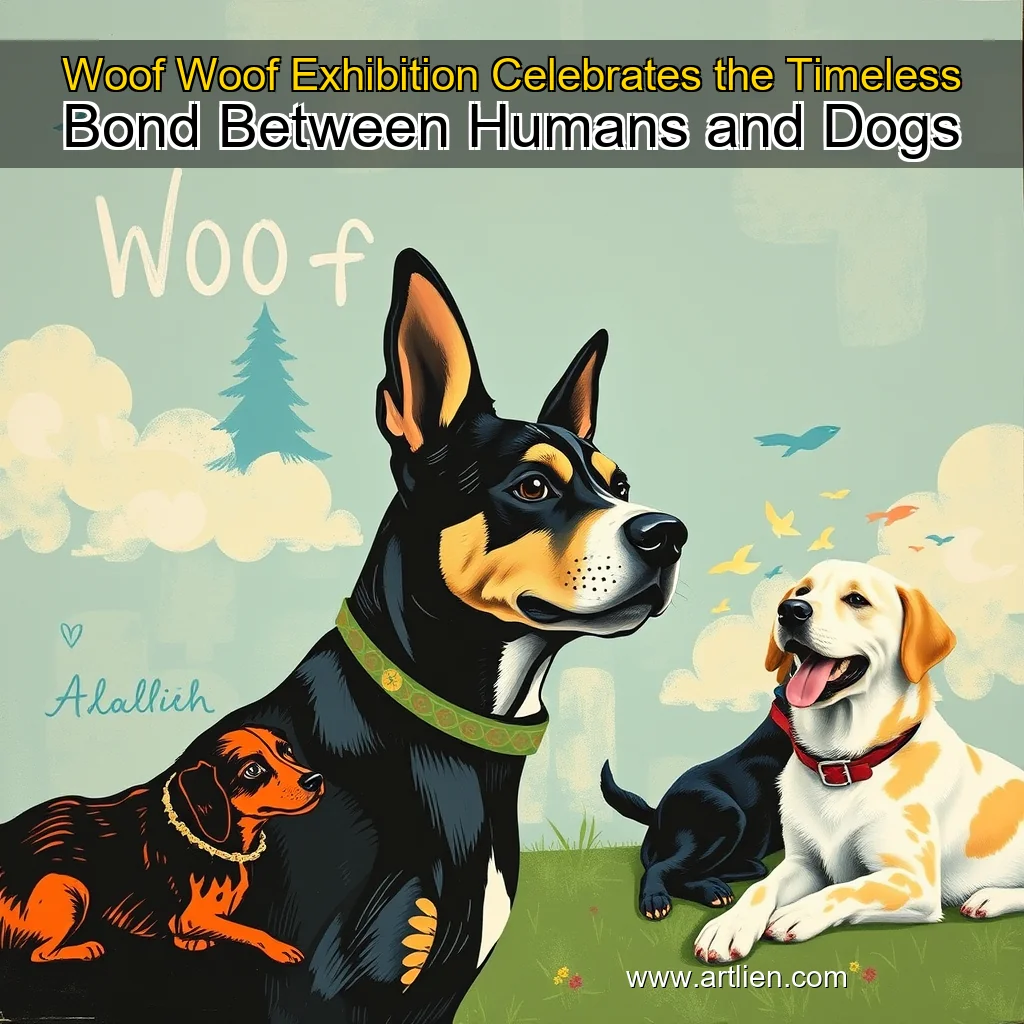
The exhibition showcases the diversity of canine companionship, from the early days of photography to the present day.
The Evolution of Canine Photography
The Woof Woof exhibition takes us on a journey through the history of canine photography, from the early 20th century to the present day. The exhibition features works from approximately 30 photographers, showcasing the diversity of canine companionship across different eras and styles. Early 20th century: The exhibition includes works from the early 20th century, featuring photographs of dogs in various settings, such as farms, homes, and streets. Mid-20th century: The mid-20th century saw the rise of celebrity dogs, with photographs of famous canine companions like Lassie and Rin Tin Tin. Late 20th century: The late 20th century saw the emergence of new styles and techniques in canine photography, with the use of new equipment and editing software. Present day: The present day features a diverse range of canine companions, from service dogs to therapy dogs, and from purebred dogs to mixed-breed dogs.*
The Art of Canine Photography
Canine photography is a unique and fascinating art form, with its own set of challenges and rewards.
The photographs of the late photographer, Sid Avery, and the renowned artist, Pentti Sammallahti, showcase the profound impact of dogs on human lives.
The Power of Dogs in Human Lives
Dogs have been an integral part of human society for thousands of years, serving as companions, protectors, and friends. Their presence in our lives has a profound impact on our emotional, mental, and physical well-being. The bond between humans and dogs is built on trust, loyalty, and affection, which can be seen in the photographs of Sid Avery and Pentti Sammallahti.
The Emotional Connection
The Power of Shared Experiences
The exhibition’s central theme is the connection between humans and dogs, highlighting the ways in which our canine companions bring us joy, comfort, and companionship. By exploring this relationship, Woof Woof encourages visitors to reflect on their own experiences with dogs and consider the emotional bonds that form between humans and animals. The exhibition features a range of artworks, including paintings, sculptures, and photographs, that showcase the diversity of human-canine relationships.
The human-canine bond is a powerful and enduring relationship that transcends time and culture.
The show features over 100 works of art, including paintings, sculptures, and photographs, that celebrate the human-canine relationship.
The Power of the Human-Canine Bond
The human-canine bond is a powerful and enduring relationship that transcends time and culture. Dogs have been human companions for thousands of years, providing comfort, companionship, and love to people around the world. This bond is built on trust, loyalty, and affection, and it has been the subject of countless works of art throughout history. From ancient Egyptian tomb paintings to modern-day street art, dogs have been depicted in various forms of art, often symbolizing loyalty, protection, and companionship. In many cultures, dogs are considered sacred animals, revered for their intelligence, loyalty, and ability to form strong bonds with humans.
The exhibition features a diverse range of artworks, including paintings, sculptures, and installations.
The Woof Woof Exhibition: A Celebration of Canine Culture
The Woof Woof exhibition at the Peter Fetterman Gallery is a unique and fascinating display of artworks that celebrate the culture and beauty of dogs. The exhibition, which is currently on view until March 1, 2025, showcases a diverse range of creative expressions that pay tribute to our canine companions.
The Art of Canine Culture
The Woof Woof exhibition is not just about dogs; it’s about the human-canine bond and the ways in which dogs have influenced art throughout history. The exhibition features a wide range of artworks, including paintings, sculptures, and installations, that explore the relationship between humans and dogs. Paintings of dogs in various settings, from domestic to wild, showcase the versatility and adaptability of dogs in different environments. Sculptures of dogs in various forms, from realistic to abstract, highlight the diversity of canine breeds and their unique characteristics. Installations that incorporate dogs into the artwork itself, such as interactive pieces or dog-friendly environments, demonstrate the creative ways in which dogs can be incorporated into art.
The Human-Canine Bond
The Woof Woof exhibition also explores the human-canine bond, which is at the heart of many artworks. The exhibition features pieces that capture the emotional and psychological aspects of the human-canine relationship, including:
The event, which takes place on the first Saturday of May every year, has been a beloved tradition for over 30 years, bringing together dog owners and enthusiasts from all walks of life.
The Origins of Woof Woof
Woof Woof has its roots in the 1980s, when a group of passionate dog lovers in the United States came together to create a unique event that would celebrate the special bond between humans and dogs. The first Woof Woof festival was held in 1985, and it quickly gained popularity, attracting dog owners and enthusiasts from all over the country.

news is a contributor at ArtLien. We are committed to providing well-researched, accurate, and valuable content to our readers.