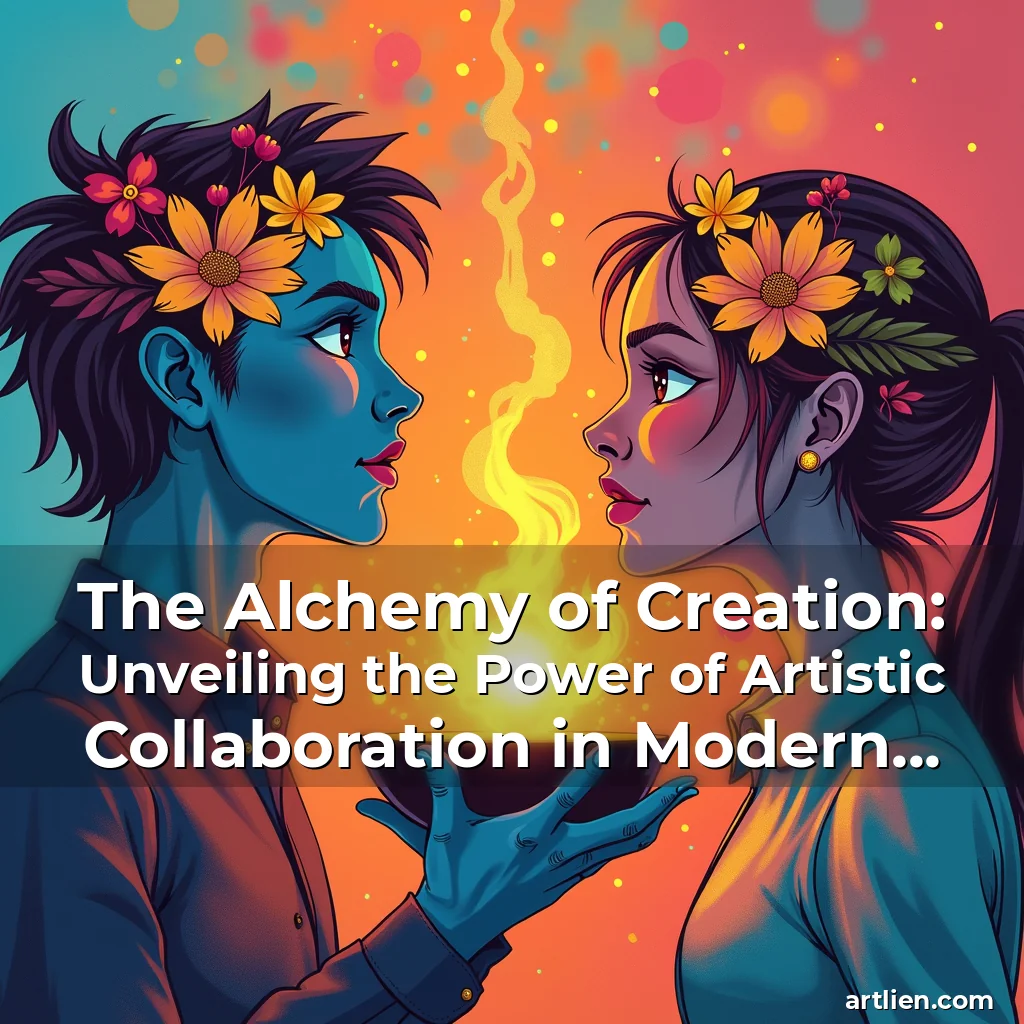
The Alchemy of Creation: Unveiling the Power of Artistic Collaboration in Modern Creativity
In an era where creativity thrives at the intersection of disciplines, artistic collaboration has emerged as a cornerstone of innovation. Artists across mediums—painters, sculptors, digital creators, writers—are increasingly finding that their most groundbreaking work arises not from isolation but through shared vision and collective effort.
This dynamic interplay between minds challenges traditional notions of authorship while opening new frontiers for expression. As we explore the depths of collaborative creation, we uncover how merging talents can lead to transformative results far beyond individual capabilities.
Fostering Synergy Through Shared Vision
The foundation of any successful artistic collaboration lies in aligning diverse perspectives toward a unified goal. When creatives come together, they bring distinct experiences, techniques, and inspirations that enrich the final product in unexpected ways.
A strong shared vision acts as both compass and catalyst within these partnerships. It ensures that varied contributions remain cohesive rather than conflicting, allowing each participant’s strengths to complement rather than overshadow others’ input.
- Establish clear objectives: Define what success looks like before beginning any project. This clarity prevents miscommunication and keeps everyone aligned with common goals.
- Cultivate mutual respect: Recognize that every contributor brings value. Appreciating different approaches fosters an environment where ideas flourish without fear of judgment.
- Create open channels of communication: Regular check-ins ensure transparency and allow for timely adjustments when necessary. Open dialogue builds trust and encourages honest feedback.
Diverse Perspectives: The Catalyst for Innovation
The fusion of different backgrounds and expertise creates fertile ground for novel ideas to emerge. Collaborators often possess unique skill sets that challenge conventional methods and inspire fresh interpretations of familiar themes.
When individuals from varying disciplines engage in joint projects, they introduce elements that might otherwise remain unexplored. A painter working alongside a sound artist could develop multimedia installations that transcend visual boundaries alone.
Consider the example of renowned filmmaker Wes Anderson who frequently collaborates with cinematographer Robert Yeoman. Their long-standing partnership exemplifies how consistent teamwork leads to distinctive stylistic choices that define entire filmographies.
Such collaborations demonstrate that diversity isn’t merely about representation—it’s about expanding the creative toolkit available to participants. Every perspective adds another layer of complexity and richness to the finished piece.
Bridging Disciplines: Expanding Creative Horizons
Interdisciplinary collaboration pushes creative boundaries by integrating knowledge from unrelated fields. These cross-pollinations result in works that defy categorization yet resonate deeply with audiences seeking multifaceted experiences.
One notable instance is the partnership between choreographer Pina Bausch and composer John Cage. Their joint productions combined dance with experimental music, creating immersive performances that challenged traditional expectations of both forms.
These kinds of ventures require careful consideration of how different languages—their own specialized vocabularies—can coexist harmoniously. Translating technical terms from one discipline to another becomes essential for effective communication and execution.
Successful interdisciplinary teams often establish shared terminology early on to prevent misunderstandings. This foundational step allows collaborators to build upon each other’s understanding without losing the essence of their respective domains.
Navigating Challenges in Collaborative Processes
While artistic collaboration offers immense potential, it also presents inherent complexities that must be navigated thoughtfully. Differences in workflow preferences, creative visions, and time commitments can create friction if left unaddressed.
Conflicts inevitably arise during collaborative processes due to divergent opinions on direction or implementation. Establishing protocols for resolving disagreements becomes crucial to maintaining productive relationships without compromising artistic integrity.
- Define roles clearly: Clarifying responsibilities upfront helps avoid confusion later. Knowing whose domain covers which aspects streamlines decision-making and reduces overlap.
- Set realistic timelines: Unrealistic deadlines can breed resentment among team members struggling to meet expectations. Flexible schedules accommodate natural fluctuations in productivity levels.
- Maintain psychological safety: Encourage an atmosphere where participants feel comfortable expressing doubts or concerns without facing criticism. This openness promotes constructive problem-solving over defensiveness.
Regular reflection sessions provide opportunities to assess progress objectively and make necessary course corrections. These evaluations help identify areas needing improvement while reinforcing positive practices established thus far.
By proactively addressing challenges instead of ignoring them, teams cultivate resilience that strengthens bonds between collaborators. This proactive approach transforms obstacles into growth opportunities rather than sources of division.
Technological Tools Facilitating Contemporary Collaboration
Advancements in technology have revolutionized how artists collaborate across geographical distances. Digital platforms now enable real-time interaction regardless of physical location, democratizing access to global talent pools.
Cloud-based design tools such as Figma or Adobe XD facilitate simultaneous editing of visual assets, ensuring consistency even when contributors are miles apart. Virtual reality environments further enhance remote cooperation by simulating shared spaces for brainstorming sessions.
Project management software like Trello or Asana provides structured frameworks for organizing tasks efficiently. These applications track progress visually so all stakeholders understand current statuses at a glance.
Communication apps including Slack or Microsoft Teams streamline information exchange, reducing delays caused by disjointed messaging systems. Integrating these technologies enhances overall efficiency while preserving creative momentum.
However, technological reliance requires conscious balance; too much dependence may stifle spontaneous ideation moments that occur naturally face-to-face interactions sometimes foster better than virtual ones do.
Ethical Considerations in Joint Creations
Collaborative artworks raise complex ethical questions regarding credit distribution, intellectual property rights, and financial compensation models. Transparent agreements upfront become vital safeguards against future disputes.
Deciding on attribution strategies involves thoughtful deliberation about how much recognition each contributor deserves based on their role in shaping the final outcome. Some prefer equal billing while others opt for proportional acknowledgment reflecting actual contribution levels.
Licensing arrangements must address ownership nuances particularly relevant when using third-party materials or incorporating existing works into new creations. Understanding legal implications protects all parties involved from unintended liabilities.
Financial discussions shouldn’t be overlooked either. Establishing fair revenue-sharing mechanisms ensures equitable treatment considering differences in marketability or visibility among collaborators.
Ultimately, fostering open conversations around ethics from inception onward cultivates trust and establishes solid foundations for enduring professional relationships built on fairness and mutual benefit.
Building Sustainable Collaborative Relationships
Sustaining meaningful artistic partnerships demands intentional cultivation beyond initial projects. Nurturing connections through regular engagement reinforces bonds formed during creative endeavors.
Vulnerability plays a key role in deepening interpersonal dynamics within collaborative settings. Sharing personal stories behind creative decisions humanizes exchanges making them more authentic and impactful.
Trust develops gradually through repeated successes and transparent dealings. Demonstrating reliability in meeting obligations builds confidence that fuels continued cooperation towards ambitious undertakings.
Creating rituals such as periodic reviews or informal catch-ups maintains continuity despite busy schedules. These touchpoints reinforce commitment while providing space for recalibration when needed.
Recognizing milestones achieved collectively celebrates accomplishments enhancing morale and motivation for future collaborations. Public acknowledgments strengthen social capital benefiting all participants involved.
The Future Landscape of Artistic Collaboration
As creative industries evolve rapidly, new paradigms for artistic collaboration will continue emerging shaped by shifting cultural landscapes and technological innovations alike.
Emerging trends suggest increased emphasis on community-driven initiatives where broader participation defines outcomes rather than centralized control dictating directions exclusively.
Virtual reality environments promise unprecedented possibilities for immersive collaborative experiences transcending physical limitations entirely. Such advancements redefine spatial constraints previously defining possible modes of cooperation.
Blockchain technology introduces exciting prospects for decentralized credentialing systems verifying contributions accurately within multi-author works securely recorded immutably forevermore.
Adapting flexibly to these changes positions artists advantageously navigating uncertain futures confidently embracing whatever transformations lie ahead.
Conclusion
Artistic collaboration represents more than mere teamwork—it embodies alchemical transformation turning disparate elements into something greater than sum of its parts.
Through deliberate synergy building, respectful discourse, technological adaptation, and ethical foresight, artists unlock unparalleled creative potentials previously unimaginable operating solo.
Embracing collaboration doesn’t diminish individuality but amplifies it exponentially multiplying impact reaching wider audiences globally sharing unique voices authentically expressed.
For those ready to embrace this powerful mode of creation, remember: true masterpieces often诞生 when willing hearts unite purposefully under shared artistic visions.

news is a contributor at ArtLien. We are committed to providing well-researched, accurate, and valuable content to our readers.