The Alchemy of Exposure: Mastering the Modern Art Show Landscape
In an era where digital galleries coexist with traditional exhibition spaces, navigating the complex world of art shows has become both an opportunity and a challenge for contemporary creators. This exploration delves into the intricate dance between artistic expression and strategic visibility that defines today’s art show ecosystem.
The modern artist must balance creative integrity with market demands while leveraging new platforms that redefine how work is presented and perceived. From curated gallery exhibitions to pop-up installations in urban centers, the landscape offers diverse avenues for exposure that require careful navigation.
Decoding Contemporary Exhibition Formats
The evolution of art display formats reflects shifting cultural paradigms and technological advancements. Traditional museum settings remain influential but now share space with dynamic alternatives that push boundaries in presentation methods.
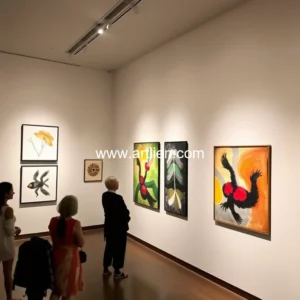
Gallery exhibitions continue to serve as foundational pillars in the visual arts community. These curated spaces provide structured environments where collectors, curators, and critics can engage deeply with artwork through carefully planned thematic narratives.
Pop-up exhibitions have emerged as powerful tools for emerging artists seeking immediate visibility. Their transient nature creates urgency around viewing opportunities while allowing experimentation with unconventional display techniques.
Outdoor installations transform public spaces into immersive experiences. These site-specific works often interact with their surroundings in ways that indoor exhibits cannot replicate, creating dialogues between art and environment.
Virtual reality exhibitions represent the cutting edge of contemporary showcasing. They allow audiences worldwide access to three-dimensional artworks without physical limitations, expanding reach beyond geographic constraints.
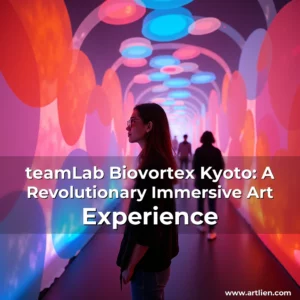
Interactive installations invite viewers to become active participants rather than passive observers. Through motion sensors, augmented reality elements, or kinetic components, these pieces create memorable engagement experiences.
Collective exhibitions offer collaborative opportunities for artists working across disciplines. Such events foster cross-pollination of ideas and approaches, enriching the overall artistic dialogue.
Miscellaneous formats include flash mobs, street performances, and even social media-based exhibitions that blur the lines between art creation and consumption.
- Curated Exhibitions: Offer professional validation through selection by established curators who understand market trends and aesthetic values.
- Thematic Group Shows: Provide context through shared themes that connect individual works within a broader narrative framework.
- Artist Residencies: Often culminate in public exhibitions that showcase development over extended periods of creative exploration.
- Biennales & Triennials: Feature international participation, offering prestige alongside competitive entry processes.
- Fair Participation: Allow direct interaction with buyers at large-scale events featuring hundreds of exhibiting artists.
- Solo Exhibitions: Present exclusive showcases that highlight an artist’s entire body of work from a particular period or concept.
- Cultural Festivals: Integrate art within broader celebrations of heritage, music, food, and other cultural expressions.
- Educational Institutions: Serve as launching pads for young talent through student exhibitions and thesis projects displayed publicly.
Navigating the Curatorial Process
Understanding how exhibitions are conceived provides crucial insight into positioning oneself effectively within the art world. Curators act as gatekeepers who shape what gets seen and how it’s interpreted by wider audiences.
A strong proposal package includes high-quality images, clear statements about conceptual intent, and evidence of past exhibition experience when applicable. This documentation helps curators assess potential contributions quickly and efficiently.
Pitching strategies vary depending on whether you’re approaching commercial galleries or non-profit institutions. Commercial entities prioritize sales potential whereas museums often seek socially relevant or historically significant works.
Building relationships with curators requires consistent communication and mutual respect for each party’s role in the exhibition process. Regular check-ins help maintain transparency regarding expectations and timelines.
Knowing which types of venues align best with your portfolio increases chances of successful inclusion. Researching past exhibitions at target locations reveals patterns in curation preferences and audience demographics.
When preparing proposals, emphasize how your work contributes uniquely to any given theme or collection. Highlighting technical skills, materials used, and conceptual depth strengthens applications significantly.
Timing is critical during submission windows since many prestigious exhibitions receive numerous applications annually. Staying informed about deadlines ensures timely submissions without last-minute rush errors.
Personalized follow-ups after initial contact demonstrate genuine interest in collaboration rather than mere transactional pursuit. Brief emails reinforcing key points from discussions reinforce impression left during meetings.
The Economics of Exhibition Participation
Financial considerations play a pivotal role in determining which exhibitions artists choose to participate in. Venue rental costs, shipping expenses, insurance requirements, and installation fees all contribute to overall budget calculations.
Commercial galleries typically handle most logistical aspects including framing, transportation, and security arrangements. However, they also take commission percentages ranging from 30% to 50% on sold works.
Non-commercial venues may offer reduced financial burdens but often lack infrastructure support necessary for proper display conditions. Artists might need to source their own equipment or hire installers separately.
Participating in fairs usually involves upfront booth fees plus additional costs for signage, promotional materials, and staff wages. Despite higher investment, these events provide direct buyer interactions that can accelerate career growth.
Data suggests that artists who consistently exhibit in various contexts tend to build stronger reputations over time compared to those focusing solely on single formats. Diversified exhibition histories indicate adaptability and range in creative output.
Some grants specifically fund exhibition-related activities such as travel expenses for visiting residencies or production costs associated with special projects intended for display purposes.
Insurance policies tailored for fine art protect against damage risks during transit and exhibition periods. Understanding coverage limits and exclusions prevents unexpected losses later.
Budgeting wisely allows artists to allocate resources strategically towards maximizing visibility without compromising quality standards inherent in their practice.
Maximizing Visibility Through Strategic Planning
Effective promotion begins well before official opening dates. Building anticipation through teasers, behind-the-scenes glimpses, and artist interviews generates buzz that translates into attendance figures.
Leveraging social media platforms enables real-time updates about upcoming events combined with archival content highlighting previous successes. Consistent posting schedules maintain engagement levels among followers interested in seeing new work.
Email newsletters sent to registered attendees contain essential information about exhibition hours, featured artists, and special programming opportunities available during visitation periods.
Collaborating with local influencers or bloggers amplifies reach beyond personal networks. Select partners whose audiences match desired demographic profiles ensure targeted exposure efforts yield meaningful results.
Press releases distributed to art publications increase credibility by associating exhibitions with reputable sources covering current trends within the industry.
On-site promotions involve signage directing visitors toward specific artworks, guided tours explaining contextual significance, and interactive elements encouraging prolonged engagement with exhibited items.
Post-event marketing capitalizes on residual attention by sharing visitor testimonials, documenting final reception moments, and providing links back to online portfolios for continued discovery by prospective buyers.
Creating compelling narratives around each piece enhances storytelling capabilities that make otherwise abstract visuals more accessible and emotionally resonant for general audiences unfamiliar with specific styles or mediums employed.
Cultivating Professional Relationships
Networking remains one of the most effective ways to establish long-term connections within the art community. Attending openings, panel discussions, and workshops introduces possibilities for future collaborations and mentorship opportunities.
Following up promptly after meeting fellow creatives maintains momentum generated during first encounters. Sending personalized messages referencing conversation topics reinforces impressions made initially.
Joining artist collectives fosters camaraderie while facilitating knowledge exchange about practical matters like pricing strategies, copyright issues, and contractual obligations involved in exhibition agreements.
Engaging actively on social media platforms builds familiarity gradually through regular posts showing progress in ongoing projects alongside reflections upon completed works.
Offering assistance to peers demonstrates willingness to reciprocate support received earlier thus strengthening bonds based on mutual benefit rather than purely transactional exchanges.
Participating in jury panels for competitions gives insight into evaluation criteria preferred by decision-makers who could influence future exhibition invitations indirectly through recommendations.
Volunteering at events provides firsthand experience observing operational workflows simultaneously contributing positively to institutional missions without expecting direct compensation.
Attending lectures by renowned practitioners exposes individuals to innovative methodologies currently shaping discourse within specific fields enhancing intellectual capital useful when proposing new exhibition concepts later.
Assessing Impact and Growth Opportunities
Evaluating outcomes following each exhibition informs decisions about future engagements. Tracking metrics like foot traffic numbers, inquiries received, and sales achieved quantitatively measures success relative to set goals.
Gathering qualitative feedback through surveys administered post-event captures nuances not captured numerically alone helping identify areas needing improvement next time around.
Analyzing collected data reveals patterns indicating which formats perform better under different circumstances aiding strategic choices going forward regarding venue selections and thematic focuses.
Comparing performance across multiple exhibitions highlights strengths developed over time versus persistent challenges requiring resolution through skill enhancement initiatives.
Sharing results openly encourages peer learning fostering collective advancement benefiting entire communities invested similarly in professional development trajectories aligned with artistic ambitions.
Reflecting honestly upon both achievements realized and shortcomings encountered promotes continuous refinement ensuring sustained relevance amidst ever-evolving industry dynamics.
Documenting lessons learned systematically facilitates quicker adaptation responses whenever similar situations arise elsewhere along career progression journeys.
Establishing benchmarks for future comparisons creates measurable targets against which subsequent endeavors can be judged objectively assessing improvements made periodically throughout evolving careers.
The Future of Art Display Innovation
Rapid technological advances continue reshaping how artworks are experienced globally. Emerging innovations promise to further dissolve geographical barriers previously limiting accessibility to specialized collections housed exclusively in certain regions.
Augmented reality features embedded within mobile apps enable users to view virtual overlays atop physical objects revealing hidden layers of meaning inaccessible through conventional observation methods alone.
Blockchain technology secures provenance records digitally preventing forgery threats while streamlining authentication procedures required prior to transactions involving valuable pieces.
AI-driven recommendation systems personalize viewer experiences suggesting related works based on browsing behaviors observed during visits cultivating deeper appreciation through curated pathways designed algorithmically.
Immersive soundscapes enhance sensory engagement transforming static displays into multi-sensory adventures capable of evoking emotional responses far exceeding what two-dimensional representations traditionally achieve.
Smart textiles integrated into sculptural forms respond dynamically to environmental changes altering appearance subtly according to ambient light levels or temperature fluctuations detected automatically.
Holographic projections allow three-dimensional reconstructions of historical artifacts making them available for examination remotely eliminating concerns about fragility affecting original specimens kept preserved physically elsewhere.
These developments collectively signal transformative shifts underway redefining what constitutes an ‘exhibition’ itself challenging preconceived notions surrounding spatial limitations defining traditional gallery configurations.
Conclusion
The multifaceted realm of art shows presents endless opportunities for creative professionals aiming to expand their presence within global artistic ecosystems. By understanding varied exhibition formats and mastering strategic engagement tactics, artists can maximize impact across diverse platforms.
Continuous learning and relationship-building form essential cornerstones supporting sustainable careers rooted in authentic expression yet mindful of market realities facing contemporary practitioners operating within rapidly changing landscapes characterized by innovation-driven transformations.

news is a contributor at ArtLien. We are committed to providing well-researched, accurate, and valuable content to our readers.